
What makes a face beautiful? For centuries, this question has captivated artists, philosophers, and scientists alike. Today, the emerging field of neuroaesthetics—where neuroscience meets aesthetic perception—is revolutionizing how we understand and enhance facial beauty. At Modern Aesthetic Institute in Bakersfield, Dr. Joseph H. Chang applies these scientific principles to deliver results that honor both the art and science of aesthetic medicine.
Understanding how your brain processes beauty isn’t just fascinating—it’s transforming the way Bakersfield residents approach facial enhancement treatments. Let’s explore the neuroscience behind what we find attractive and how this knowledge creates more natural, harmonious results.
Understanding Neuroaesthetics: Your Brain’s Beauty Blueprint

Neuroaesthetics examines how our brains perceive and respond to aesthetic experiences, particularly facial beauty. Research from the Penn Center for Neuroaesthetics reveals that when we view faces we consider attractive, specific neural circuits activate, triggering the release of dopamine and other pleasure-inducing neurotransmitters Penn Medicine.
This isn’t random preference—it’s rooted in evolutionary biology and mathematical principles. The medial orbitofrontal cortex, a brain region associated with reward and pleasure, shows heightened activity when viewing beautiful faces. This biological response explains why facial aesthetics profoundly impact our emotional well-being and social interactions.
Dr. Chang’s approach at Modern Aesthetic Institute in Bakersfield integrates these neuroaesthetic principles with over 25 years of clinical experience. “Understanding the neuroscience of beauty allows us to create treatments that work with your natural facial architecture, not against it,” explains Dr. Chang. “It’s about enhancing what your brain already recognizes as harmonious.”
The Golden Ratio: Mathematical Foundation of Facial Beauty
One of the most fascinating aspects of neuroaesthetics is the golden ratio (phi = 1.618), a mathematical proportion found throughout nature and consistently associated with aesthetic appeal. While recent research suggests the golden ratio isn’t a rigid formula for beauty, proportional balance remains crucial to facial attractiveness NIH Research.
Key Facial Proportions Science Validates:
Vertical Facial Thirds:
- Upper third: hairline to eyebrows
- Middle third: eyebrows to base of nose
- Lower third: base of nose to chin
Horizontal Facial Fifths:
- Each eye width equals one-fifth of facial width
- Distance between eyes equals one eye width
- Outer eye to hairline equals one eye width on each side
In Bakersfield, patients seeking facial enhancement increasingly appreciate Dr. Chang’s mathematically-informed approach. Rather than applying arbitrary beauty standards, treatments respect individual facial proportions while optimizing natural harmony.
Top 7 Neuroaesthetic Principles That Guide Modern Facial Treatments
Modern aesthetic medicine applies neuroaesthetic research to treatment planning. Here are the seven most important principles shaping how Bakersfield’s leading practitioners approach facial enhancement:
1. Facial Symmetry Optimization Our brains preferentially respond to symmetric faces, interpreting symmetry as a marker of genetic health and developmental stability. Advanced 3D imaging technology allows practitioners to identify and address subtle asymmetries that impact overall facial harmony. The goal isn’t perfect symmetry—which can appear unnatural—but balanced proportions that enhance your unique features.
2. Proportional Harmony Over Individual Feature Perfection Neuroaesthetic research demonstrates that facial attractiveness stems from relationships between features rather than isolated perfection. A beautifully shaped nose means little if it overwhelms your facial proportions. Dr. Chang’s treatments consider how each enhancement affects overall facial balance, ensuring cohesive results.
3. Natural Facial Movement Preservation Your brain recognizes authentic expressions through dynamic facial movement. Treatments that freeze features or create unnatural stiffness trigger negative neural responses. Modern techniques prioritize movement preservation, allowing genuine emotional expression while softening lines and enhancing contours.
4. Age-Appropriate Enhancement Neuroaesthetics confirms that beauty standards evolve across the lifespan. Youthful faces naturally display different proportions than mature faces. Treatments in Bakersfield that honor age-appropriate aesthetics create more satisfying, natural-looking results than those attempting to impose youthful proportions on mature facial structures.
5. Skin Quality and Texture Uniformity Research shows the brain processes skin quality—texture, tone, and luminosity—as rapidly as facial structure. In fact, skin health significantly influences perceived attractiveness and age. Comprehensive treatment plans address both structural enhancements and surface quality for optimal results.
6. Contextual Facial Features Individual features don’t exist in isolation. Your brain processes faces holistically, considering how features relate to each other and your overall facial shape. This is why cookie-cutter approaches often disappoint—true beauty enhancement requires customized analysis of your unique facial context.
7. Soft Tissue Volume Distribution Facial aging involves volume loss in specific compartments, creating shadows and contour changes your brain interprets as aging markers. Strategic volume restoration in key areas—like the midface, temples, and jawline—creates youthful contours without the overfilled appearance that triggers negative aesthetic responses.
The Neuroscience of Facial Perception: What Research Reveals
Contemporary neuroaesthetics research provides fascinating insights into how we process facial beauty. Functional MRI studies reveal that viewing attractive faces activates the brain’s reward centers within milliseconds Global Wellness Institute.
Key Research Findings:
Processing Speed: Your brain evaluates facial attractiveness in approximately 13 milliseconds—faster than conscious awareness. This explains the immediate, intuitive responses we have to faces.
Universal vs. Cultural Preferences: While certain beauty markers (symmetry, clear skin, proportional features) show cross-cultural consistency, specific preferences vary. Successful aesthetic treatments honor both universal principles and individual/cultural variations.
Holistic Processing: Unlike object recognition, facial perception engages specialized neural networks that process faces as integrated wholes rather than collections of parts. This is why natural-looking results require comprehensive treatment planning rather than isolated enhancements.
Emotional Context: The same neural circuits that process facial aesthetics also engage with emotional expression. This interconnection explains why preserving natural movement and authentic expression is crucial for satisfying aesthetic outcomes.
For patients in Bakersfield considering facial enhancement, these findings emphasize the importance of choosing practitioners who understand facial neuroscience, not just technical injection skills.
How Modern Aesthetic Medicine Applies Neuroaesthetic Principles
At Modern Aesthetic Institute in Bakersfield, neuroaesthetic principles translate into practical treatment approaches that deliver superior results:
Advanced Facial Analysis Technology
3D Facial Mapping: High-resolution imaging captures your facial topography with sub-millimeter precision, allowing detailed proportional analysis before treatment.
AI-Enhanced Assessment: Artificial intelligence algorithms analyze facial proportions, comparing your features to validated aesthetic databases while maintaining your unique characteristics.
Predictive Modeling: Digital simulation technology previews potential treatment outcomes, allowing collaborative treatment planning between practitioner and patient.
Customized Treatment Strategies
Micro-Volume Techniques: Rather than large-volume correction, modern approaches use precise micro-depositions that create subtle, cumulative improvements. This technique honors your brain’s preference for gradual, natural changes.
Multi-Modal Approaches: Combining neuromodulators (Botox/Dysport), volumizing treatments, and skin quality enhancements addresses the multiple factors your brain integrates when processing facial beauty.
Strategic Enhancement Sequencing: Treatment plans often span several sessions, allowing your facial tissues to settle and your aesthetic perception to adjust between enhancements.
In Bakersfield’s growing aesthetic medicine community, practitioners who apply neuroaesthetic principles consistently achieve more natural, satisfying results than those using standardized protocols.
The Role of Cultural Context in Beauty Perception
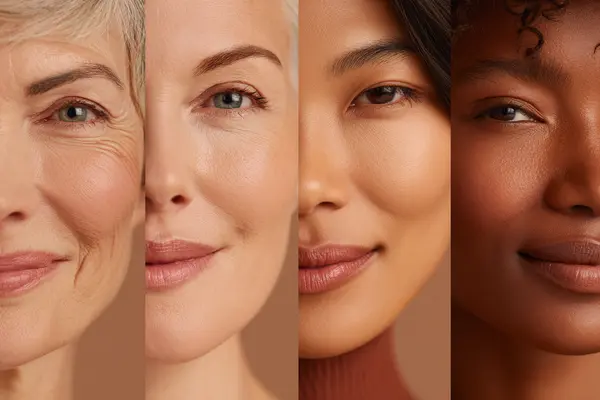
While neuroaesthetics identifies universal beauty principles, cultural influences significantly shape aesthetic preferences. Research demonstrates that beauty standards vary across cultures but share common foundations in facial symmetry, healthy skin appearance, and proportional harmony.
In Bakersfield’s diverse community, Dr. Chang recognizes that effective aesthetic medicine requires cultural competency. “What constitutes ideal beauty in one cultural context may differ in another,” he explains. “Our approach honors your cultural aesthetic values while applying universal principles of facial harmony.”
This culturally-informed perspective ensures treatments enhance your natural beauty within your personal and cultural context rather than imposing arbitrary standards.
Scientific Markers Your Brain Uses to Evaluate Facial Attractiveness
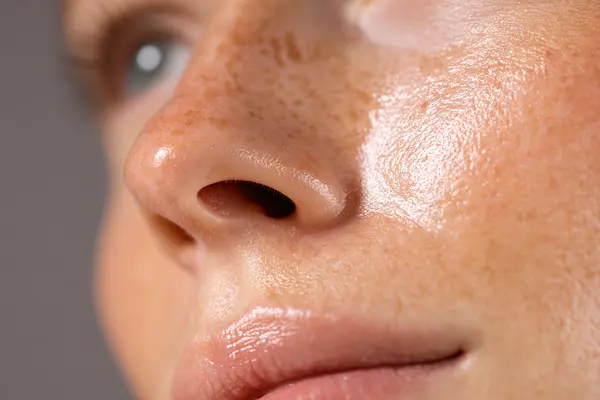
Neuroaesthetic research has identified specific facial characteristics that consistently influence beauty perception:
Skin Quality Indicators
Texture Smoothness: Your brain rapidly processes skin texture, associating smooth, even texture with youth and health. Treatments addressing skin quality often provide dramatic improvements in perceived attractiveness.
Color Uniformity: Hyperpigmentation, redness, and uneven tone trigger negative aesthetic responses. Addressing color irregularities significantly enhances facial attractiveness.
Luminosity and Hydration: Healthy skin reflects light differently than dehydrated or damaged skin. Treatments that restore skin’s natural luminosity create immediate aesthetic improvements.
Structural Features
Facial Symmetry: While perfect symmetry isn’t necessary or desirable, significant asymmetries draw attention and reduce perceived attractiveness. Subtle corrections often yield disproportionate aesthetic benefits.
Proportional Relationships: Your brain constantly evaluates relationships between facial features. Treatments that optimize these proportional relationships create harmonious results.
Volume Distribution: Age-related volume loss in specific facial compartments creates shadow patterns your brain interprets as aging. Strategic volume restoration in the temples, midface, and jawline creates youthful contours.
Patients throughout Bakersfield benefit when practitioners understand these neural processing patterns, allowing treatments that speak to your brain’s built-in beauty recognition systems.
Emerging Trends: The Future of Neuroaesthetic-Based Treatments
The intersection of neuroscience, aesthetic medicine, and technology continues evolving, promising exciting advances:
AI-Powered Treatment Planning: Machine learning algorithms analyze thousands of facial images to identify optimal enhancement strategies for your unique features, predicting outcomes with increasing accuracy.
Neurofeedback Integration: Emerging research explores using real-time brain imaging to refine treatment planning, potentially allowing practitioners to see which enhancements generate the strongest positive neural responses.
Biocompatible Materials Innovation: New injectable materials with improved tissue integration and longer durability reduce treatment frequency while delivering more natural results.
Non-Invasive Monitoring: Advanced imaging technologies allow practitioners to visualize treatment effects at the tissue level, enabling real-time adjustment during procedures.
Personalized Beauty Algorithms: Computational neuroaesthetics research is developing personalized beauty profiles that account for individual and cultural preferences while respecting universal aesthetic principles ResearchGate.
As these technologies mature, Bakersfield residents can expect even more precise, personalized aesthetic treatments that deliver natural, harmonious results.
Choosing Science-Based Aesthetic Care in Bakersfield
Understanding neuroaesthetics empowers you to make informed decisions about facial enhancement. When evaluating aesthetic providers in Bakersfield, consider:
Training and Experience: specialty training in relevant specialties (oculoplastic surgery, dermatology, plastic surgery) ensures comprehensive facial anatomy knowledge.
Aesthetic Philosophy: Providers who emphasize natural enhancement and facial harmony over dramatic transformation typically apply neuroaesthetic principles more effectively.
Technology Investment: Practices utilizing advanced imaging and analysis tools demonstrate commitment to precision, science-based treatment.
Comprehensive Consultation: Thorough facial analysis and collaborative treatment planning indicate respect for your unique features and aesthetic goals.
Portfolio Quality: Before-and-after galleries revealing natural-looking results with preserved facial movement suggest appropriate technique application.
Dr. Chang’s specialized training in oculoplastic surgery—combining ophthalmology’s surgical precision with aesthetic sensibility—positions him uniquely to apply neuroaesthetic principles. His 25+ years of injection experience and recognition as a top Dysport provider demonstrate mastery of both science and technique.
Conclusion: Where Science Meets Beauty in Bakersfield
Neuroaesthetics transforms aesthetic medicine from subjective art to evidence-based science. By understanding how your brain processes beauty—the neural circuits that respond to symmetry, proportion, and facial harmony—practitioners can create treatments that feel naturally right.
At Modern Aesthetic Institute in Bakersfield, this science-based approach ensures every treatment honors your unique facial architecture while optimizing the characteristics your brain recognizes as beautiful. The result? Enhancement that looks like you, only more refreshed, balanced, and confident.
Whether you’re considering your first aesthetic treatment or seeking to refine previous enhancements, understanding neuroaesthetics empowers you to achieve results that satisfy both your aesthetic aspirations and your brain’s inherent beauty recognition systems.
Ready to discover how neuroaesthetic principles can enhance your natural beauty? Schedule a consultation with Dr. Joseph H. Chang at Modern Aesthetic Institute in Bakersfield. With over 25 years of experience and specialized training in facial aesthetics, Dr. Chang combines cutting-edge science with artistic sensibility to deliver beautiful, natural results.
For more information about facial rejuvenation options, explore Dr. Chang’s approach to surgical rejuvenation—tailored procedures that restore youthful structure while preserving natural facial harmony and respecting neuroaesthetic principles.
Author Bio: Dr. Joseph H. Chang is a UCLA-trained oculoplastic surgeon with over 25 years of experience in aesthetic medicine. Trained at UCLA’s Jules Stein Eye Institute, Dr. Chang specializes in advanced facial aesthetics, combining neuroscience-based principles with artistic precision. With 25+ years of injectable experience, Dr. Chang leads Modern Aesthetic Institute in Bakersfield, California, where he helps patients achieve natural, harmonious aesthetic enhancement.
FAQ SECTION (8 Questions)
Q1: What is neuroaesthetics and how does it apply to facial treatments? Neuroaesthetics is the scientific study of how our brains perceive and respond to beauty. In facial aesthetics, it provides evidence-based principles for creating treatments that align with your brain’s natural beauty recognition systems. This approach ensures enhancements that feel naturally harmonious rather than artificial or overdone.
Q2: Does the golden ratio really apply to facial beauty? While the golden ratio (1.618) has historical aesthetic significance, modern research shows it’s not a rigid beauty formula. However, proportional relationships remain crucial to facial attractiveness. The best aesthetic treatments optimize your individual proportions rather than forcing mathematical ratios onto every face.
Q3: How do Bakersfield aesthetic treatments differ when based on neuroaesthetic principles? Neuroaesthetic-based treatments in Bakersfield prioritize natural harmony, preserved facial movement, and proportional balance over dramatic transformation. Practitioners analyze your complete facial structure, considering how enhancements affect overall aesthetics rather than treating features in isolation. This approach consistently produces more natural, satisfying results.
Q4: Can neuroaesthetics explain why some aesthetic treatments look unnatural? Absolutely. When treatments violate principles your brain uses to recognize natural beauty—creating frozen expressions, disproportionate features, or obvious artificial enhancement—your neural circuits register something “off.” Neuroaesthetic-based treatments avoid these pitfalls by respecting natural facial anatomy and movement patterns.
Q5: How does facial symmetry affect perceived attractiveness? Your brain processes facial symmetry rapidly, associating it with genetic health and developmental stability. However, perfect symmetry can appear artificial. The goal of aesthetic treatments should be balanced proportions that minimize distracting asymmetries while preserving the character that makes your face uniquely yours.
Q6: What role does skin quality play in facial aesthetics from a neuroscience perspective? Research shows your brain processes skin quality—texture, tone, and luminosity—as quickly as facial structure when evaluating attractiveness. Comprehensive aesthetic treatment plans address both structural enhancements and skin quality for optimal results, as your neural circuits integrate multiple factors when perceiving beauty.
Q7: How does Dr. Chang apply neuroaesthetic principles at Modern Aesthetic Institute in Bakersfield? Dr. Chang uses advanced 3D imaging technology to analyze facial proportions, applies evidence-based enhancement strategies that honor natural anatomy, and prioritizes treatments that preserve authentic facial expression. His specialized oculoplastic training provides deep understanding of facial structure, while 25+ years of injection experience ensures technical mastery.
Q8: Are there age-appropriate applications of neuroaesthetic principles? Yes. Neuroaesthetic research confirms that beauty standards evolve across the lifespan. Effective treatments honor age-appropriate aesthetics rather than attempting to impose youthful proportions on mature facial structures. This approach creates results that look naturally refreshed rather than artificially young.