
Your Ultimate Guide to Botox in Bakersfield: FAQs Answered by Our Experts

Considering Botox in Bakersfield? Our ultimate guide answers your FAQs on cost, longevity, side effects, and getting natural results. Schedule your expert consultation today.
Lip Fillers in Bakersfield: Your Ultimate Guide to Natural Looking, Kissable Lips

Discover expert-backed solutions for mouth wrinkles including smile lines, marionette lines, and lip lines. Learn about the causes, preventative skincare, and professional treatments at Modern Aesthetic Institute.
How to Get Rid of Lines Around the Mouth: Treatment Options in Bakersfield

Lines around the mouth do not all have the same cause, so they do not all have the same treatment. Vertical lip lines, nasolabial folds, and marionette lines can reflect muscle movement, skin quality, volume change, facial support, or a combination. The first step is identifying which structure is creating the line. Three common types of lines around the mouth Vertical lip lines These fine lines form around the lip border and are sometimes called perioral or smoker’s lines. They can develop in people who have never smoked. Repeated movement, sun exposure, skin changes, and volume loss may all contribute. Nasolabial folds These folds run from the sides of the nose toward the corners of the mouth. Treating the fold directly is not always the whole answer because cheek support and surrounding volume can affect its depth. Marionette lines These lines descend from the corners of the mouth toward the chin. They may reflect volume change, skin laxity, muscle pull, or lower-face structure. Which treatments may be considered? Hyaluronic acid filler Filler may be used to support selected folds or restore volume in nearby areas. Product, depth, amount, and placement matter, especially around the mouth where movement is constant. Learn more about dermal fillers in Bakersfield. Botulinum toxin injections Small doses of botulinum toxin may be considered for selected movement-related concerns near the mouth, including techniques commonly called a lip flip. These uses around the mouth are off-label, which means they are not among the cosmetic indications approved in the FDA labeling. Off-label treatment can be lawful and medically appropriate, but it requires an individualized discussion of expected benefit, temporary effect, and risks such as asymmetry or changes in lip function. FDA labeling for Botox Cosmetic describes the approved indications and safety information. Skin-focused treatment Resurfacing or other skin-focused care may be relevant when texture and fine etched lines are the main concern. These options address a different layer than filler or muscle-relaxing injections. Why a combination is sometimes discussed A line can have both movement-related and structural components. In that situation, one treatment may not address every cause. Combination care is not automatically better, and treatment may be staged so the response to one step can be evaluated before another is considered. What a good assessment should clarify Which type of line is present? Is it visible only with movement or also at rest? Is nearby volume or support contributing? Would skin-focused care be more relevant than an injection? What risks and tradeoffs apply around the lips? Modern Aesthetic Institute is led by Dr. Joseph H. Chang, MD, an ophthalmologist with fellowship training in oculoplastic surgery. To discuss a plan for lines around the mouth, request a consultation at 4000 Empire Dr., Suite 300, Bakersfield, CA 93309, or call 661.535.0149. Frequently asked questions Can Botox treat vertical lip lines? It may be considered for selected movement-related lines, but cosmetic use around the mouth is off-label. It will not replace lost volume or resurface etched skin lines. Is a lip flip the same as lip filler? No. A lip flip uses botulinum toxin to change muscle activity near the upper lip. Filler adds volume with an injectable gel. They have different effects and risks. Why do nonsmokers get smoker’s lines? The name is misleading. Repeated lip movement, sun exposure, skin changes, and volume loss can contribute whether or not someone has smoked. Will filler make my lips look larger? Not necessarily. Placement may focus on a fold or nearby support rather than the lip itself. The intended area, amount, and expected visual change should be clear before treatment. What is the difference between smile lines and marionette lines? Nasolabial folds run from the nose toward the mouth corners. Marionette lines extend downward from the mouth corners toward the chin. Their causes and treatment plans may differ.
How Sculptra Works: Collagen Stimulation and Long-Lasting Volume
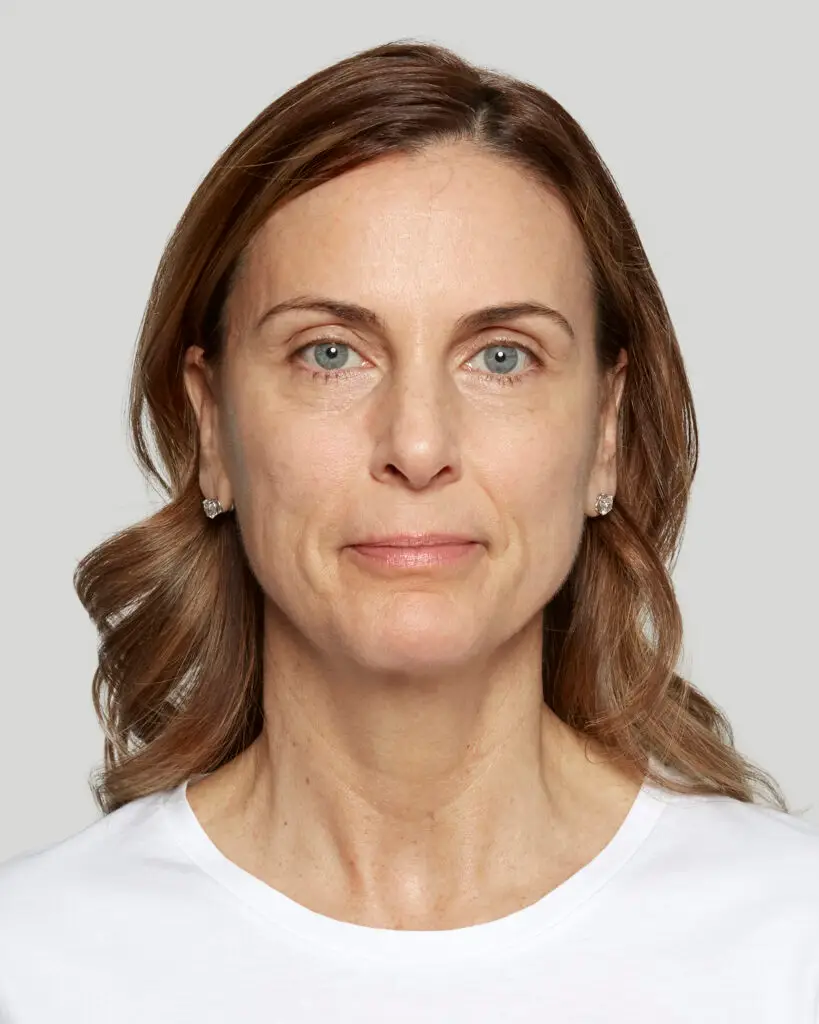
In the world of facial rejuvenation, there’s a fundamental difference between filling a space and rebuilding what’s been lost. While traditional dermal fillers simply add temporary volume to hollowed areas, Sculptra takes a revolutionary approach—stimulating your body’s own collagen production to restore volume from within, creating results that look natural and last years rather than months. As an oculoplastic surgeon with over 25 years of injection experience serving Bakersfield’s Seven Oaks, Stockdale, and Southwest communities, I’ve witnessed the transformative power of Sculptra firsthand. What makes this treatment exceptional isn’t just the impressive before and after results—it’s the science behind how those results develop and why they endure. If you’ve been researching facial volume restoration options and wondering whether Sculptra’s collagen-stimulating approach is right for you, this comprehensive guide will answer all your questions. We’ll explore the fascinating science of biostimulation, realistic timelines for results, what makes Sculptra different from every other injectable, and how to maximize your outcome. Before Sculptra After 6 Months Sculptra Understanding Sculptra’s Revolutionary Approach What Is Sculptra? Sculptra is an FDA-approved injectable treatment containing poly-L-lactic acid (PLLA)—a biocompatible, biodegradable synthetic substance that has been safely used in medical applications for over 40 years, including dissolvable sutures and medical implants. But when injected strategically into facial tissue, PLLA performs a remarkable function: it stimulates your body’s natural collagen production. Unlike hyaluronic acid fillers (Juvederm, Restylane) that work by physically occupying space and attracting water molecules, Sculptra works at a deeper, more fundamental level. It doesn’t just fill—it rebuilds. The Paradigm Shift: From Filler to Biostimulator Traditional thinking about facial aging focused on the concept of “filling the gaps”—replacing lost volume with gel-like substances. While this approach works, it’s temporary by nature. Hyaluronic acid molecules eventually break down and get absorbed, typically within 6-18 months, requiring repeated treatments to maintain results. Sculptra represents a paradigm shift in aesthetic medicine: rather than repeatedly adding external substances, we trigger your body’s innate regenerative capacity. This approach is called biostimulation—using biocompatible materials to stimulate biological processes. According to research published by Galderma (Sculptra’s manufacturer), clinical studies demonstrate that Sculptra stimulates the body’s natural collagen production, with results that can last up to 25 months or longer after completing the initial treatment series Galderma Clinical Studies, 2022. FDA Approval and Safety Profile Sculptra received FDA approval in 2004 for correcting facial lipoatrophy (fat loss) in people with HIV, and later gained approval in 2009 for treating facial wrinkles and folds in the general population. Its long track record demonstrates both efficacy and safety when administered by properly trained providers. The substance itself—poly-L-lactic acid—is completely biocompatible and eventually biodegrades into carbon dioxide and water, leaving behind only the collagen your body has produced. Why “Biostimulator” Changes Everything The term “biostimulator” isn’t just marketing jargon—it represents a fundamentally different mechanism of action: Traditional Fillers: Biostimulators (Sculptra): This distinction is crucial for understanding Sculptra before and after timelines and setting appropriate expectations. The Science of Collagen Stimulation: How Sculptra Actually Works To appreciate Sculptra’s transformative potential, you need to understand the elegant biological cascade it triggers. Step 1: Strategic Injection When Dr. Chang injects Sculptra into the deep dermal or subdermal layers of your face, the product consists of PLLA microspheres suspended in a water-based carrier solution. The injection technique is precise—deeper than traditional filler placement, targeting the structural layers where collagen naturally resides. Step 2: Initial Volume (The “False Promise”) Immediately after injection, you’ll notice increased volume. However, this initial fullness comes primarily from the water-based carrier solution and localized swelling—not from actual collagen formation. This temporary volume dissipates within days to weeks, which often confuses patients expecting immediate lasting results. Important: This initial volume is NOT your final result. Many patients panic during this phase, thinking Sculptra “didn’t work.” Patience is essential. Step 3: Controlled Inflammatory Response As the carrier solution absorbs, the PLLA microspheres remain in the tissue, where they trigger a controlled, beneficial inflammatory response. This isn’t the harmful inflammation associated with infection or injury—it’s a precisely calibrated biological signal that activates your skin’s repair mechanisms. The immune system recognizes these biocompatible particles and sends specialized cells to the injection site, including: Step 4: Fibroblast Activation and Collagen Synthesis This is where the magic happens. The PLLA microspheres act as a scaffold around which fibroblasts begin producing new collagen—specifically Type I collagen, the same structural protein that gives youthful skin its firmness and volume. Research published in Dermatologic Surgery demonstrates that Sculptra increases dermal thickness and collagen density through sustained fibroblast stimulation, with histological evidence showing robust collagen formation around PLLA particles Goldberg et al., Dermatologic Surgery, 2013. Step 5: Neocollagenesis (New Collagen Formation) Over the following months, progressive neocollagenesis occurs. Your fibroblasts continue producing fresh collagen that integrates seamlessly with your existing dermal structure. This new collagen: Step 6: PLLA Biodegradation Over approximately 9-12 months, the PLLA microspheres gradually biodegrade into lactic acid, then carbon dioxide and water—substances your body easily processes and eliminates. What remains is the beautiful collagen structure your body built. Why This Mechanism Creates Superior Results Because Sculptra works by stimulating your body’s natural collagen production rather than simply occupying space, the results: Sculptra Before and After Timeline: What to Expect at Every Stage Understanding Sculptra’s timeline is crucial for appropriate expectations. This isn’t an instant-gratification treatment—it’s an investment in gradual, natural-looking transformation. Immediately After Treatment (Days 1-3) What You’ll See: What’s Actually Happening: The volume you see comes from the water-based carrier solution and injection-related swelling, NOT from collagen formation. Consider this a “preview” of your final result’s general area of improvement, but understand it’s temporary. What You Should Do: Week 1-2: The “Deflation” Phase What You’ll See: What’s Actually Happening: Your body is absorbing the carrier solution. The PLLA microspheres remain in place, but they’re microscopic and don’t provide mechanical volume themselves. This is the most psychologically challenging phase for patients. Important: This is completely normal and expected. Many Bakersfield patients call my office during this window worried that “Sculptra disappeared.” It didn’t—the real work is just beginning at the cellular level. What You