
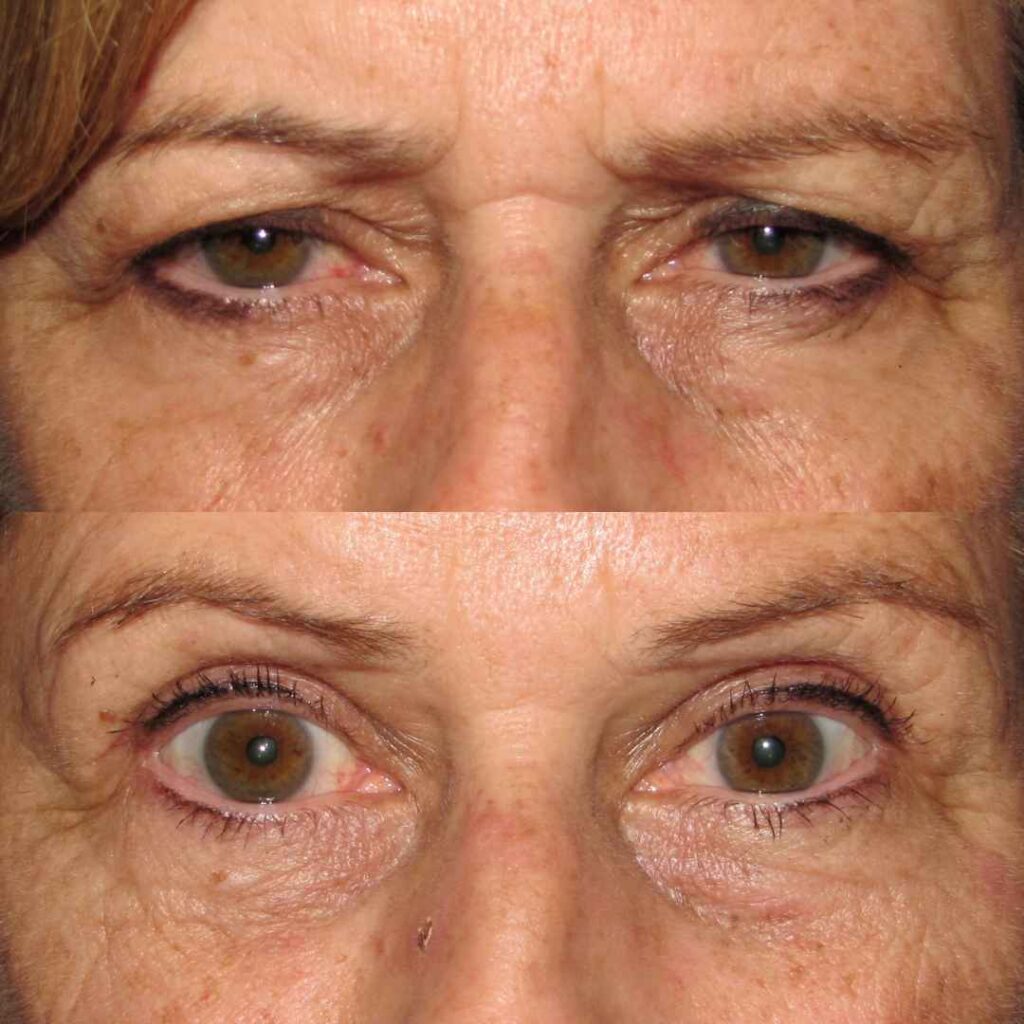
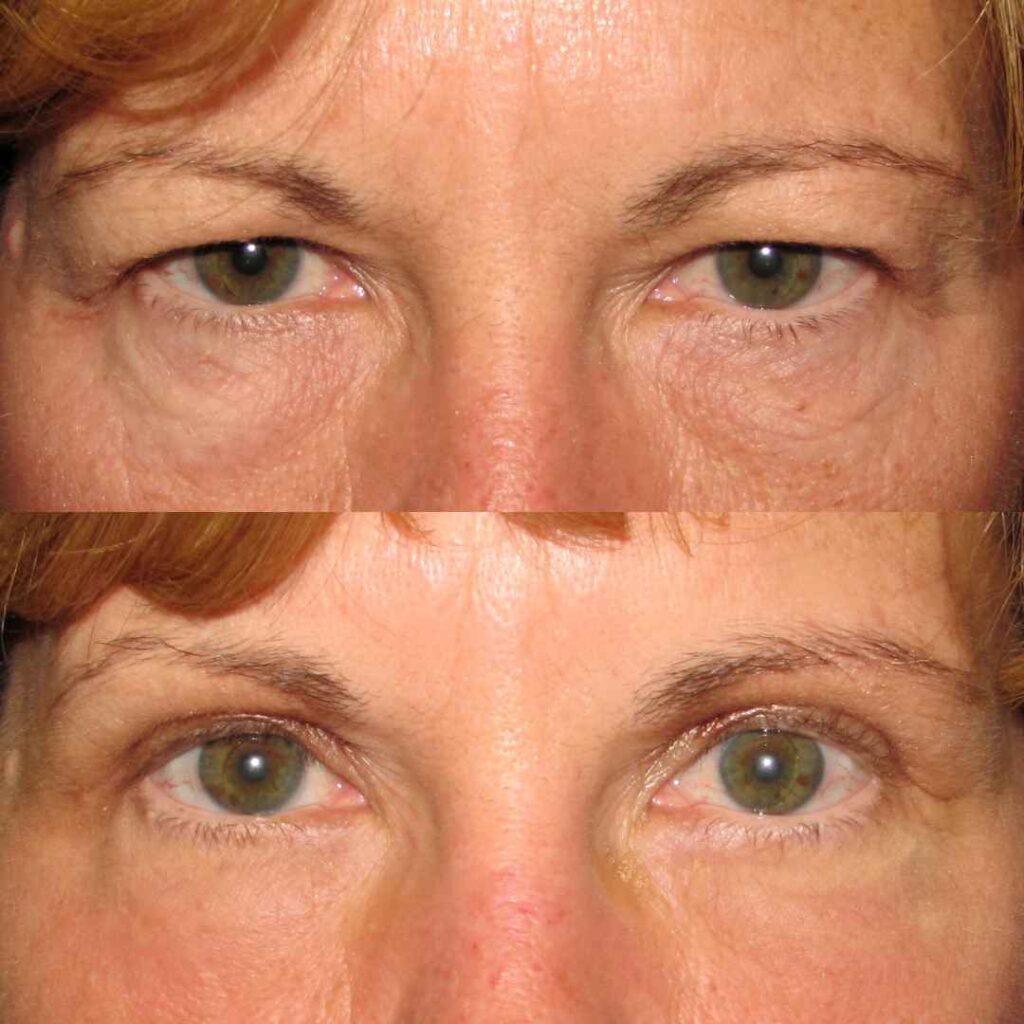
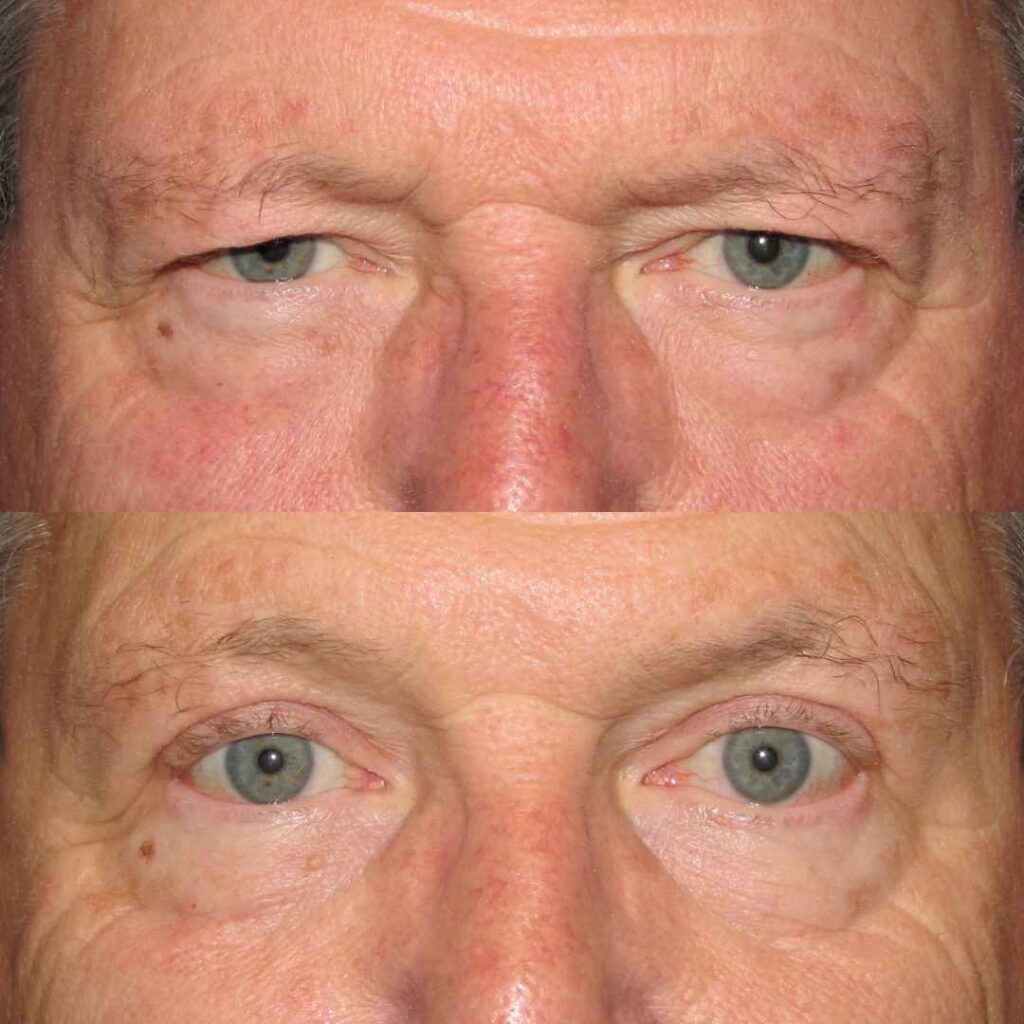
Your eyes tell your story—but sometimes, that story includes tired-looking eyelids that don’t reflect how vibrant you feel inside. If drooping upper eyelids, puffy under-eye bags, or hooded skin are making you look perpetually exhausted despite getting plenty of rest, you’re not alone. Thousands of Bakersfield residents from Seven Oaks to Southwest communities are discovering how eyelid surgery (blepharoplasty) can turn back the clock and restore a refreshed, youthful appearance.
But here’s what most people don’t realize: Not all eyelid surgery is created equal. The difference between a natural, rejuvenated look and an overdone, “surgical” appearance often comes down to one crucial factor—choosing a surgeon with specialized training in the delicate anatomy around your eyes.
As a UCLA-trained oculoplastic surgeon with over 25 years of experience serving Bakersfield, I’ve performed thousands of eyelid procedures. In this comprehensive guide, I’ll walk you through everything you need to know about eyelid surgery in Bakersfield—from understanding your options to realistic before-and-after expectations, recovery timelines, and how to choose the right surgeon for your transformation.
Why Eyelid Surgery Has Become Bakersfield’s Most Requested Facial Procedure
According to the International Society of Aesthetic Plastic Surgery (ISAPS), eyelid surgery became the world’s most popular cosmetic surgical procedure in 2024—surpassing even rhinoplasty and facelifts ISAPS Global Statistics, 2024. This surge isn’t surprising when you consider what eyelid surgery accomplishes.
The Unique Impact of Eye Area Aging
Think about how you read faces—where does your attention go first? The eyes, always. They’re the focal point of every conversation, every photograph, every first impression. When aging eyelids create heaviness, puffiness, or sagging, they cast shadows that make you appear:
- Perpetually tired even after a full night’s sleep
- Older than you feel by 5-10 years
- Less approachable due to a chronically stern or sad expression
- Less confident in professional and social settings
In Bakersfield’s Central Valley climate, where intense sun exposure accelerates skin aging, these changes often appear earlier and progress faster than in less sunny regions. Many of my Seven Oaks and Stockdale patients notice significant eyelid aging in their late 30s and early 40s—earlier than they expected.
What Makes Eyelid Surgery Different from Other Facial Procedures
Unlike injectable treatments that require ongoing maintenance every few months, or less targeted procedures that address broader facial aging, eyelid surgery delivers:
- Immediate, dramatic transformation visible as soon as swelling subsides
- Long-lasting results that endure for 10-15 years or more
- Natural-looking rejuvenation that doesn’t look “done”
- Potential functional benefits like improved peripheral vision
- Minimal downtime compared to more extensive facial surgeries
- High satisfaction rates—consistently among the highest of all aesthetic procedures
Understanding Your Eyelid Surgery Options in Bakersfield
Not all eyelid concerns are the same, which is why Modern Aesthetic Institute offers customized approaches tailored to your unique anatomy and aesthetic goals.
Upper Eyelid Surgery (Upper Blepharoplasty)
What It Addresses:
- Excess, sagging upper eyelid skin that creates hooding
- Heavy, drooping eyelids that make eyes appear smaller
- Reduced peripheral vision from overhanging skin
- Deep upper eyelid creases
- Puffiness from fat deposits in the upper lid
The Procedure: Upper blepharoplasty involves making a precisely placed incision within the natural eyelid crease, making eventual scarring virtually invisible. Through this incision, I carefully remove excess skin, reposition or remove protruding fat, and sometimes tighten the underlying muscle for optimal contour.
Who Benefits Most: Patients experiencing functional vision problems from excess skin, those with genetic predisposition to heavy eyelids, or anyone wanting to restore a more open, alert eye appearance. This is particularly popular among Bakersfield professionals who want to look as energetic as they feel in high-stakes meetings and presentations.
Recovery Timeline: Most patients return to desk work within 5-7 days, with residual swelling and bruising resolving within 2-3 weeks. Final results continue improving for 3-6 months as incision lines fade completely.
Lower Eyelid Surgery (Lower Blepharoplasty)
What It Addresses:
- Under-eye bags and puffiness
- Hollowing or tear trough deformity
- Excess loose skin creating wrinkles
- Dark shadows under eyes
- Aged, tired appearance
The Procedure: Lower blepharoplasty can be performed using two approaches:
- Transconjunctival Approach: For younger patients with good skin elasticity, incisions are made inside the lower eyelid, leaving no visible scarring. Excess fat is removed or repositioned.
- Subciliary Approach: For patients with significant excess skin, a tiny incision is placed just below the lash line. Both excess skin and fat are addressed for comprehensive rejuvenation.
Who Benefits Most: Patients bothered by persistent under-eye bags that make them look exhausted, those with hereditary puffiness (common in certain ethnic backgrounds), or anyone whose concealer can’t adequately camouflage under-eye shadows.
Recovery Timeline: Lower eyelid surgery typically involves slightly more swelling than upper lid procedures. Most patients are presentable for social occasions within 10-14 days, with final settling occurring over 2-3 months.
Combined Upper and Lower Blepharoplasty
Many Bakersfield patients achieve the most dramatic transformation by addressing both upper and lower eyelids simultaneously. This comprehensive approach creates harmonious rejuvenation throughout the entire eye area.
Advantages of Combined Surgery:
- Balanced aesthetic outcome addressing all aging concerns
- Single recovery period rather than two separate healing timelines
- Cost efficiency with combined surgical and facility fees
- Consistent healing as both areas recover simultaneously
Functional vs. Cosmetic Blepharoplasty: Understanding the Difference
This distinction matters significantly—for setting the right expectations.
Functional (Medical) Blepharoplasty: When excess upper eyelid skin significantly impairs peripheral vision, the procedure becomes medically necessary rather than purely cosmetic. As an oculoplastic surgeon, I perform specialized visual field testing to document functional impairment.
Requirements for Medical Necessity:
- Documented visual field obstruction (typically 30% or more reduction)
- Photographic evidence of skin overhanging the pupil
- Failed conservative measures (like eyelid tape)
- Impact on daily activities requiring full visual field
Even where insurers cover functional blepharoplasty in general, Modern Aesthetic Institute is a self-pay practice: we do not bill insurance, and you receive transparent pricing at your consultation.
Cosmetic Blepharoplasty: Surgery performed solely to improve appearance without functional vision impairment. The investment often delivers exceptional value given the dramatic improvement and longevity of results.
Ptosis Repair: When Your Eyelid Muscle Needs Attention
Sometimes the problem isn’t excess skin—it’s a weakened or stretched muscle that controls eyelid elevation. This condition, called ptosis (pronounced “TOE-sis”), requires a different surgical approach than standard blepharoplasty.
Signs You May Have Ptosis:
- One or both upper eyelids sit lower than normal
- You unconsciously raise your eyebrows or tilt your head back to see better
- Forehead furrows from constant brow elevation
- Asymmetry between your two eyelids
- Progressive lowering of the eyelid over time
Ptosis Repair Procedure: Rather than removing skin, ptosis repair tightens or reattaches the levator muscle (the primary eyelid elevator). This can be done through the same incision used for blepharoplasty, allowing both procedures to be combined when appropriate.
My specialized training in oculoplastic surgery is crucial here—ptosis repair requires intimate knowledge of the complex muscles and nerves controlling eyelid position. Improper technique can result in asymmetry, incomplete correction, or difficulty closing the eye.
7 Transformative Benefits of Eyelid Surgery in Bakersfield
Based on thousands of procedures performed for Bakersfield patients, here are the most impactful benefits my patients consistently report:
1. Dramatic Visual Rejuvenation Without Looking “Done”
The hallmark of expertly performed eyelid surgery is that people notice you look fantastic—refreshed, well-rested, vibrant—without being able to pinpoint exactly what changed. You simply look like a better, more youthful version of yourself.
Unlike overfilled cheeks or frozen foreheads that scream “I’ve had work done,” properly executed blepharoplasty creates subtle improvements that add up to dramatic overall transformation. Your Seven Oaks neighbors will assume you’ve been sleeping better, started a new skincare routine, or just returned from a relaxing vacation.
2. Restored Peripheral Vision and Functional Improvement
For patients whose drooping eyelids obstruct vision, the functional improvement can be life-changing. Simple activities like driving (especially checking blind spots), reading, or watching television become easier and safer.
One of my Bakersfield patients, a 62-year-old avid golfer, reported that after upper blepharoplasty, he could finally see the golf ball clearly throughout his swing—something that excess eyelid skin had been blocking for years. These quality-of-life improvements often prove even more valuable than the aesthetic enhancement.
3. Makeup Application Becomes Easier and More Effective
Trying to apply eyeshadow to hooded, excess eyelid skin is frustrating—the product disappears into folds, and creating defined looks becomes nearly impossible. After upper blepharoplasty, patients discover a smooth eyelid canvas that makes makeup application not just easier, but actually enjoyable again.
Many of my patients report they can now wear eye makeup they hadn’t been able to use in years, or they need less makeup overall because their eyes naturally look more defined and bright.
4. Professional Advantages in Bakersfield’s Competitive Markets
Whether you work in Bakersfield’s thriving energy sector, healthcare, real estate, or legal fields, looking alert and approachable matters professionally. Studies show that people with tired-looking eyes are perceived as less competent, less trustworthy, and less energetic than their well-rested-appearing counterparts.
Several of my professional patients have shared that after eyelid surgery, colleagues commented they seemed “more engaged” in meetings, or clients appeared more comfortable during consultations. These subtle perceptions can translate to real career advantages.
5. Long-Lasting Results That Justify the Investment
Unlike injectable treatments requiring maintenance every 3-6 months, or skincare products you’ll repurchase indefinitely, eyelid surgery typically lasts 10-15 years or longer. When you calculate the cost per year of looking refreshed, blepharoplasty often proves more cost-effective than ongoing non-surgical treatments.
While you’ll continue aging after surgery, you’ll always look younger than if you’d never had the procedure. Most patients who have eyelid surgery in their 50s still enjoy visible benefits well into their 60s and 70s.
6. Relatively Quick Recovery Compared to Other Facial Surgeries
Unlike a facelift requiring 2-3 weeks away from social activities, or a rhinoplasty involving lengthy healing, most eyelid surgery patients feel comfortable in public within 10-14 days. With strategic planning around your work schedule and social calendar, recovery can be remarkably convenient.
Many of my Bakersfield patients schedule surgery during Thanksgiving or winter holidays when they have time off anyway, allowing them to return to work looking refreshed with minimal questions from colleagues.
7. Enhanced Self-Confidence in Every Reflection
Perhaps the most profound benefit isn’t visible to others—it’s how you feel when you look in the mirror. Patients consistently report that after eyelid surgery, they finally see an external reflection that matches their internal vitality.
One patient told me, “I spent years avoiding mirrors and deleting unflattering photos. After my eyelid lift, I actually enjoy taking selfies with my grandchildren. That confidence is priceless.”
What to Expect: Your Eyelid Surgery Journey in Bakersfield
Understanding the complete process from consultation through final results helps ensure you’re fully prepared for your transformation.
Step 1: Your Personalized Consultation at Modern Aesthetic Institute
During your consultation, I perform a comprehensive evaluation that includes:
Medical Assessment:
- Complete medical history review
- Current medications and supplements
- Previous eye surgeries or conditions
- Dry eye symptoms or vision concerns
- Healing history from past procedures
Anatomical Evaluation:
- Upper and lower eyelid skin quality and quantity
- Fat pad position and volume
- Muscle function and symmetry
- Brow position (which affects eyelid appearance)
- Overall facial proportions and harmony
Visual Field Testing (When Appropriate): For patients with suspected functional impairment, I conduct formal visual field testing to document vision obstruction.
Goal Discussion and Treatment Planning: We’ll review your specific concerns and aesthetic goals, examine before-and-after photos of similar cases, and develop a personalized surgical plan. I’ll explain exactly what results are realistic for your anatomy and what limitations exist.
Transparency About Expectations: I believe in setting honest expectations. If eyelid surgery alone won’t achieve your goals (perhaps because significant brow sagging is the primary problem), I’ll explain that upfront and suggest appropriate alternatives or complementary procedures.
Step 2: Pre-Operative Preparation
Once you’ve decided to proceed, we’ll schedule your surgery and provide detailed preparation instructions:
Two Weeks Before:
- Discontinue blood-thinning medications and supplements (aspirin, ibuprofen, fish oil, vitamin E, certain herbs)
- Stop smoking (nicotine impairs healing and increases complication risk)
- Arrange for someone to drive you home and ideally stay with you the first night
- Fill prescriptions for post-operative medications
One Week Before:
- Avoid alcohol (increases bleeding risk and swelling)
- Purchase supplies: cold compresses, eye lubricating ointment, extra pillows for elevated sleeping
- Prepare your recovery space with entertainment, easy meals, and comfort items
Day Before:
- Wash your face thoroughly with gentle cleanser
- Remove all makeup, lotions, and skincare products
- Get a good night’s sleep
- Follow fasting instructions (typically no food or drink after midnight)
Step 3: Surgery Day
Most eyelid procedures are performed at my accredited surgical facility in Bakersfield under local anesthesia with sedation or light general anesthesia, depending on the extent of surgery and patient preference.
Timeline:
- Arrival: 30-45 minutes before surgery for pre-operative preparation
- Surgery Duration: 1-2 hours depending on whether upper, lower, or both eyelids are treated
- Recovery Room: 30-60 minutes for monitoring before discharge
- Discharge: Same day—you’ll go home with detailed aftercare instructions
What Happens During Surgery: While you’re comfortably sedated, I’ll:
- Make precise incisions in natural eyelid creases or inside the lower lid
- Remove or reposition excess fat
- Trim excess skin carefully to avoid over-removal
- Tighten muscles if necessary for optimal contour
- Close incisions with extremely fine sutures for minimal scarring
- Apply protective ointment and cold compresses
My oculoplastic training means I’m not just focusing on aesthetics—I’m protecting the delicate structures that control eye function, ensuring your eyes close properly, tear drainage works correctly, and no eyelid malposition occurs.
Step 4: Recovery and Healing
Understanding what’s normal during recovery prevents unnecessary anxiety and helps you support optimal healing.
Days 1-3: Initial Recovery
- Expect: Significant swelling, bruising, tightness, some discomfort (though usually minimal)
- Management: Ice packs 10 minutes every hour while awake, sleep with head elevated 30-45 degrees, take prescribed pain medication
- Activity: Complete rest, no bending or lifting, gentle walking only
- Appearance: Don’t judge results yet—you’ll look significantly swollen
Days 4-7: Improvement Begins
- Expect: Swelling and bruising start subsiding, sutures may be removed around day 5-7
- Management: Continue sleeping elevated, transition from ice to warm compresses if directed
- Activity: Light household activities acceptable, no exercise or heavy lifting
- Appearance: Still puffy but noticeably improving daily
Weeks 2-3: Presentable for Public
- Expect: Most swelling resolved, residual bruising can be concealed with makeup
- Management: Resume gentle exercise (walking, light yoga), continue eye lubrication
- Activity: Return to work and social activities for most patients
- Appearance: Looking much better though not yet final results
Months 1-3: Refinement Phase
- Expect: Subtle changes as final swelling resolves, incision lines continue fading
- Management: Sun protection is crucial—UV exposure can darken healing scars
- Activity: Resume all normal activities including vigorous exercise
- Appearance: 80-90% of final results visible
Months 3-6: Final Results
- Expect: Complete healing, incision lines nearly invisible, final contours settled
- Appearance: Full transformation visible—this is your new normal
Choosing the Right Eyelid Surgeon in Bakersfield: Critical Factors
The difference between beautiful, natural results and disappointing outcomes often comes down to surgeon selection. Here’s what matters most:
Specialized Training in Oculoplastic Surgery
While many plastic surgeons and some ENT physicians perform eyelid surgery, oculoplastic surgeons have the most specialized training in this delicate area. My pathway included:
- Medical school (4 years)
- Ophthalmology residency (4 years) focused entirely on eye anatomy, physiology, and surgery
- Oculoplastic fellowship (1-2 years) specializing in cosmetic and reconstructive eyelid surgery
This means I’ve dedicated years exclusively to mastering the intricate anatomy around your eyes—the muscles controlling eyelid movement, the nerves providing sensation, the tear drainage system, and the delicate tissues that make this area so complex.
Surgical Credentials Matter
Always verify your surgeon is certified by the American Board of Ophthalmology (for oculoplastic surgeons) or American Board of Plastic Surgery. specialty training ensures:
- Completion of accredited training programs
- Passing rigorous written and oral examinations
- Ongoing continuing education requirements
- Adherence to safety and ethical standards
Extensive Eyelid Surgery Experience
Ask potential surgeons:
- How many eyelid procedures do you perform annually?
- What percentage of your practice focuses on eyelid surgery?
- Can I see before-and-after photos of patients with anatomy similar to mine?
- What are your complication rates?
At Modern Aesthetic Institute, eyelid surgery comprises a significant portion of my surgical practice, with hundreds of procedures performed over 25+ years. This volume and specialization translate directly to refined technique and consistently excellent outcomes.
Natural-Looking Results Philosophy
Review before-and-after galleries critically. Do the results look:
- Natural rather than overly tight or hollow?
- Harmonious with each patient’s overall facial features?
- Age-appropriate rather than attempting to look decades younger?
- Symmetrical with balanced eyelid appearance?
Beware of galleries showing identical results across different patients—cookie-cutter approaches don’t account for individual anatomy. The best results are customized to each face.
Patient Communication and Comfort
Your surgeon should:
- Listen carefully to your concerns and goals
- Explain procedures in understandable terms
- Set realistic expectations honestly
- Welcome questions without rushing
- Make you feel respected and valued
If you feel pressured, dismissed, or uncertain, trust those instincts and seek another consultation.
Eyelid Surgery Costs in Bakersfield: Investment and Value
Cost is an important consideration, though it shouldn’t be the primary decision factor for surgery involving your eyes and face.
Typical Cost Ranges in Bakersfield
Based on current Bakersfield market rates:
- Upper eyelid blepharoplasty only: $3,000 – $6,000
- Lower eyelid blepharoplasty only: $4,000 – $8,000
- Combined upper and lower: $6,500 – $12,000
- Complex cases with ptosis repair or additional concerns: $8,000 – $12,000+
What These Fees Include:
- Surgeon’s professional fee (the largest component)
- Anesthesia fees (anesthesiologist or nurse anesthetist)
- Surgical facility costs (accredited surgery center)
- Pre-operative consultations and testing
- Post-operative follow-up appointments
- Surgical supplies and medications
Why Costs Vary
Several factors influence pricing:
- Surgeon experience and credentials: More specialized training and experience typically command higher fees
- Procedure complexity: Simple upper blepharoplasty costs less than complex lower lid work with fat repositioning
- Geographic location: Bakersfield costs are generally lower than Los Angeles or San Francisco but reflect quality local expertise
- Facility type: Accredited surgical centers (safer) cost more than office-based procedures
- Anesthesia type: Local with sedation costs less than general anesthesia
Financing and Payment Options
Third-party financing may be available. Rates, terms, approval, and eligible procedures are determined by the financing provider and can change. Modern Aesthetic Institute can review current options during consultation. Patients should confirm HSA or FSA eligibility directly with their plan administrator or tax adviser.
A Self-Pay Practice: What That Means for You
Modern Aesthetic Institute is a self-pay practice. We do not bill insurance, and we do not prepare insurance documentation. Most insurers classify blepharoplasty as cosmetic, and building a surgical plan around carrier rules can mean delays, restrictions, and paperwork instead of care. Self-pay keeps it simple: you receive transparent pricing at your consultation, and you know the full cost before you decide anything. Your plan is designed around your anatomy and your goals.
Frequently Asked Questions About Bakersfield Eyelid Surgery
“What’s the ideal age for eyelid surgery?”
There’s no single “perfect” age—timing depends on when eyelid aging bothers you or affects function. I’ve successfully performed blepharoplasty on patients ranging from late 20s (for hereditary puffiness or functional concerns) through 80s.
General Patterns:
- 30s-40s: Early intervention for genetic bags, prevention of progressive aging, or functional issues
- 40s-50s: Most common age range, addressing visible skin laxity and fat protrusion
- 60s-70s+: Comprehensive rejuvenation often combined with brow lift or face procedures
The right time is when eyelid concerns impact your confidence, function, or quality of life enough to warrant surgical correction.
“Will eyelid surgery leave visible scars?”
When performed by an experienced surgeon with proper technique, eyelid surgery scars are typically imperceptible:
- Upper eyelids: Incisions hide within the natural eyelid crease, blending completely with normal anatomy
- Lower eyelids (external approach): Incisions sit just below the lash line where they’re virtually invisible
- Lower eyelids (internal approach): No external scars whatsoever since incisions are inside the lid
I use extremely fine sutures and meticulous closure technique to minimize scarring. Most patients find that even close friends can’t detect their scars within months after surgery.
“How long does eyelid surgery last?”
Results typically endure 10-15 years or longer. While you’ll continue aging naturally, you’ll always appear more youthful than if you’d never had surgery. Many patients never require revision, while others choose touch-up procedures 15-20 years later.
Factors affecting longevity include:
- Sun protection habits (UV accelerates aging)
- Genetics (some people age faster than others)
- Skincare regimen quality
- Overall health and lifestyle choices
“Can eyelid surgery be combined with other procedures?”
Absolutely. Common combinations include:
Brow Lift: Often necessary when significant brow sagging contributes to eyelid hooding. Lifting the brow reduces the burden on upper eyelids and creates more harmonious results.
Facelift: For comprehensive facial rejuvenation addressing jowls, neck laxity, and lower face aging alongside eyelid concerns.
Injectable Treatments: Botox to smooth crow’s feet, fillers to address hollowing in temples or under-eyes, or Sculptra for overall facial volume restoration.
Skin Resurfacing: Laser treatments or chemical peels to improve skin texture, pigmentation, and fine lines around eyes.
Combining procedures often makes sense from both cost and recovery standpoints—undergoing one recovery period rather than multiple separate healing phases.
Real Patient Transformation: Sarah’s Story
Sarah M., 56, Seven Oaks resident and healthcare administrator
“I’d been considering eyelid surgery for probably five years before I finally scheduled a consultation with Dr. Chang. Every morning I’d look in the mirror and see someone who looked chronically exhausted—even though I slept fine and took good care of myself.
The excess skin on my upper eyelids was so bad that my peripheral vision was actually affected. I’d catch myself tilting my head back to see clearly while driving, and I couldn’t wear eyeshadow anymore because it would disappear into the folds.
What impressed me most about Dr. Chang was his thorough explanation of exactly what he could and couldn’t achieve. He showed me photos of patients with similar eyelid anatomy and explained his surgical approach in detail. I never felt pressured—he genuinely wanted to ensure I had realistic expectations.
The surgery itself was easier than I anticipated. I was nervous, but the staff made me comfortable, and the sedation meant I remember nothing. The first week was definitely swollen and bruised—I looked like I’d been in a boxing match—but it improved rapidly. By day 10, I was back at work with some strategic makeup covering residual bruising.
The transformation exceeded my expectations. My eyes look bright and alert, my peripheral vision is completely restored, and I actually enjoy wearing eye makeup again. But here’s the best part: Nobody can tell I had surgery. People just comment that I look ‘rested’ or ‘great lately’—which is exactly what I wanted.
It’s been almost two years since my eyelid surgery, and I still love my results. I only wish I’d done it sooner instead of wasting years feeling self-conscious about my appearance.”
Taking the Next Step: Your Eyelid Surgery Consultation
If you’ve been considering eyelid surgery in Bakersfield but weren’t sure where to start, you now have comprehensive information to make an informed decision. The next step is scheduling a personalized consultation to:
- Assess your unique anatomy and determine whether you’re a good candidate
- Discuss your specific goals and what realistic outcomes look like for you
- Review detailed before-and-after galleries from patients with similar concerns
- Understand the complete process from preparation through final results
- Get transparent pricing and explore financing options
- Ask any remaining questions in a pressure-free environment
At Modern Aesthetic Institute, I bring over 25 years of specialized oculoplastic experience to every eyelid procedure. My unique training focused exclusively on the eye area means you benefit from refined technique, deep anatomical knowledge, and artistic sensibility that creates natural, beautiful results.
Your eyes deserve specialized expertise. Your transformation deserves personalized care. Your results deserve to look like a better, more refreshed version of you—not someone else entirely.
Ready to see what’s possible? Contact Modern Aesthetic Institute today to schedule your private eyelid surgery consultation in Bakersfield.
About the Author:
Joseph H. Chang, MD is an ophthalmologist specializing in oculoplastic surgery with over 25 years of experience in aesthetic and functional eyelid procedures. Trained at UCLA’s Jules Stein Eye Institute, Dr. Chang founded Modern Aesthetic Institute in Bakersfield to provide world-class eyelid surgery and facial aesthetic treatments with exceptional results. His specialized focus on the eye area and commitment to natural-looking outcomes make him a trusted choice for blepharoplasty throughout Kern County and California’s Central Valley.
Ready to restore youthful, refreshed eyes? Schedule your consultation with Dr. Chang and discover what expert eyelid surgery can do for you.
Frequently Asked Questions
How long does eyelid surgery take in Bakersfield?
The surgery itself typically takes 1-2 hours depending on whether upper, lower, or both eyelids are being treated. More complex cases involving ptosis repair or fat repositioning may take longer. At Modern Aesthetic Institute, Dr. Chang takes the time necessary to achieve optimal results rather than rushing through procedures. You’ll spend additional time before surgery (30-45 minutes for preparation) and after (30-60 minutes in recovery) before being discharged home the same day.
Is eyelid surgery painful?
Most patients report minimal discomfort rather than significant pain. During surgery, you’ll be completely comfortable under local anesthesia with sedation or general anesthesia. Afterward, the primary sensations are tightness, mild soreness, and swelling—not sharp pain. Most Bakersfield patients find over-the-counter pain relievers adequate, though Dr. Chang provides prescription medication if needed. The discomfort is typically less than anticipated and well-controlled with medication and ice packs.
When can I return to work after eyelid surgery in Bakersfield?
Most patients return to desk work within 5-7 days for upper blepharoplasty and 7-10 days for lower eyelid surgery or combined procedures. If your job involves physical labor, prolonged computer use, or public-facing roles where appearance is crucial, you may need 10-14 days. Many of Dr. Chang’s Bakersfield patients strategically schedule surgery before a long weekend or holiday to maximize recovery time before returning to work.
Will insurance cover my eyelid surgery?
Modern Aesthetic Institute is a self-pay practice. We do not bill insurance or prepare insurance paperwork. Instead, you receive clear, transparent pricing at your consultation, and your treatment plan is decided by you and your surgeon rather than a carrier. Most insurers classify cosmetic eyelid surgery as elective, so self-pay keeps the process simple and predictable.
What’s the difference between choosing an oculoplastic surgeon versus a plastic surgeon for eyelid surgery?
Oculoplastic surgeons like Dr. Chang complete ophthalmology residency (4 years focused exclusively on eye anatomy and surgery) followed by specialized oculoplastic fellowship training. This means years dedicated solely to mastering eyelid structures, eye function, and delicate periocular tissues. Plastic surgeons train broadly across the entire body with less concentrated eyelid focus. For delicate eyelid procedures requiring protection of vision, tear function, and eye health, oculoplastic expertise provides specialized knowledge that general plastic surgeons may not possess.
Can eyelid surgery fix asymmetry between my eyes?
Yes, in many cases. Eyelid asymmetry can result from unequal skin excess, fat distribution differences, or ptosis affecting one side more than the other. Dr. Chang carefully measures and plans each side individually rather than using identical techniques, accounting for your natural asymmetry to create balanced results. However, perfect symmetry is rarely achievable since most faces have inherent asymmetries. The goal is improvement and better balance, not absolute perfection.
What are the risks and complications of eyelid surgery?
When performed by an experienced oculoplastic surgeon, complications are rare. Potential risks include temporary swelling and bruising (universal), dry eyes (usually temporary), infection (rare with proper sterile technique), bleeding or hematoma (uncommon), scarring (typically minimal), asymmetry (addressable with revision if needed), and very rarely, vision changes. Dr. Chang’s specialized training and 25+ years of experience minimize these risks. During your consultation, he’ll discuss your specific risk factors and how they’re mitigated.
How do I choose the best eyelid surgeon in Bakersfield?
Look for: (1) training in ophthalmology with oculoplastic fellowship training or specialty training in plastic surgery with significant eyelid surgery focus; (2) Extensive experience—ask how many eyelid procedures they perform annually; (3) Before-and-after galleries showing natural-looking results on patients with anatomy similar to yours; (4) Accredited surgical facility ensuring safety standards; (5) Clear communication and realistic expectation-setting. Dr. Chang’s specialized oculoplastic training, 25+ years of experience, and focus on natural aesthetic outcomes make Modern Aesthetic Institute a trusted choice for Bakersfield eyelid surgery.