
You’ve probably noticed it—after a particularly stressful week, your skin looks dull, tired, and somehow older. Maybe you’ve experienced a sudden breakout before an important presentation, or noticed your fine lines seem deeper during periods of high anxiety. This isn’t your imagination, and it’s not coincidental.
The connection between stress and skin health is so profound that an entire medical subspecialty—psychodermatology—has emerged to study it. As an oculoplastic surgeon with over 25 years of experience serving Bakersfield’s Seven Oaks, Stockdale, and Southwest communities, I’ve witnessed firsthand how chronic stress accelerates facial aging and compromises skin health. The good news? Understanding the science behind stress-induced skin damage empowers you to take targeted action.
Here’s everything you need to know about how stress affects your skin, the biological mechanisms at play, and evidence-based solutions that work—particularly for those navigating Bakersfield’s fast-paced lifestyle.
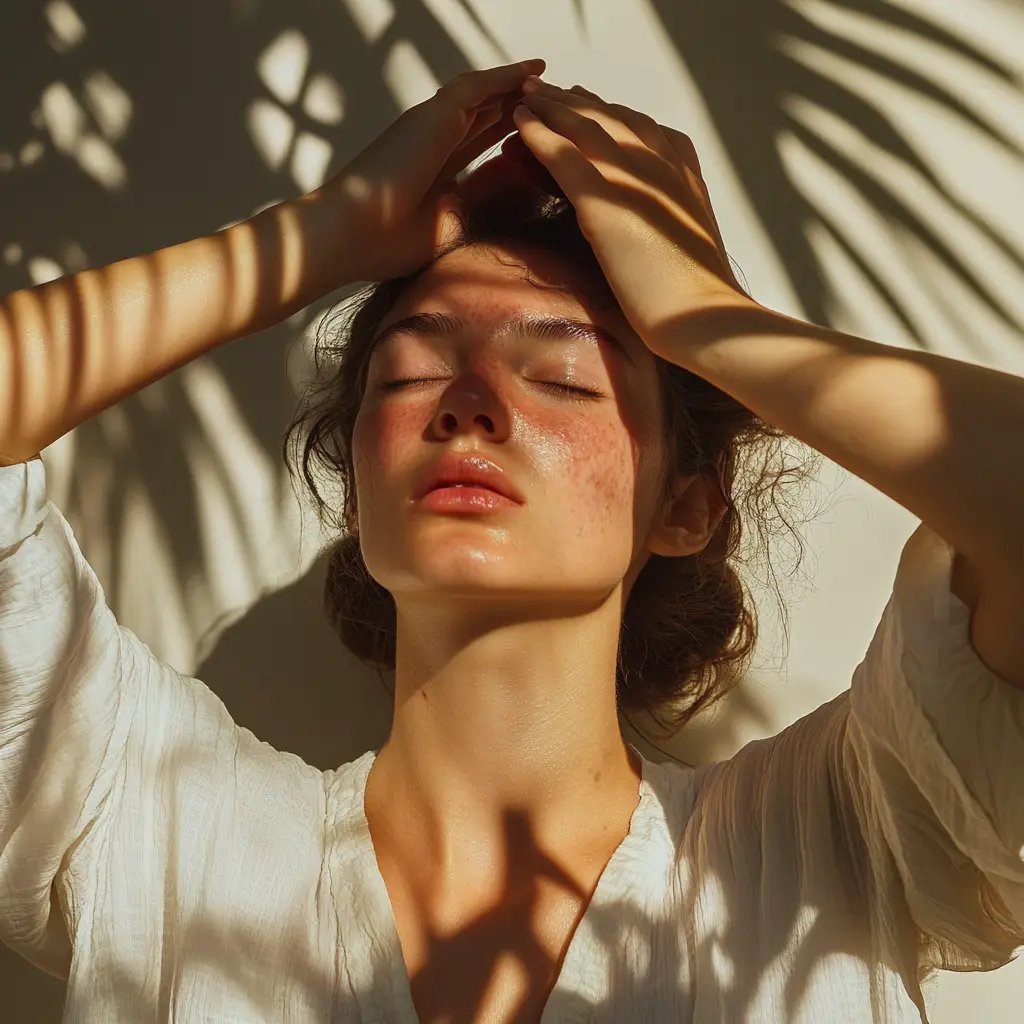
The Stress-Skin Connection: More Than Skin Deep
Your skin isn’t just a passive outer covering—it’s a complex organ intricately connected to your nervous system, endocrine system, and immune system. This interconnected network, known as the brain-skin axis, means that psychological stress directly translates into physiological changes in your skin.
According to groundbreaking research published in the Journal of Cosmetic Dermatology (November 2024), chronic psychological stress significantly impacts multiple hallmarks of skin aging through elevated stress hormones like cortisol and epinephrine Impact of Chronic Moderate Psychological Stress on Skin Aging, 2024.
How Your Body Responds to Stress
When you experience stress—whether from work deadlines, financial pressures, relationship challenges, or Bakersfield’s notorious traffic on Highway 99—your body initiates what scientists call the “stress response”:
- Hypothalamus activation: Your brain’s stress center signals alarm
- Adrenal gland stimulation: Cortisol and adrenaline flood your bloodstream
- Systemic effects: Every organ system, including your skin, responds to these stress hormones
- Inflammatory cascade: Chronic stress triggers persistent low-grade inflammation
This might help you survive an acute threat, but when stress becomes chronic (as it often is in modern life), these same protective mechanisms begin destroying your skin’s health and appearance.
The 7 Ways Stress Damages Your Skin: The Science Explained
Let’s examine precisely how chronic stress accelerates skin aging and triggers various dermatological problems:
1. Cortisol-Induced Collagen Breakdown
Cortisol, often called the “stress hormone,” is your skin’s enemy number one. Elevated cortisol levels directly break down collagen and elastin—the structural proteins that keep your skin firm, plump, and resilient.
The Mechanism:
- Cortisol activates matrix metalloproteinases (MMPs), enzymes that digest collagen
- It simultaneously suppresses collagen synthesis by fibroblasts
- The result: net collagen loss, leading to wrinkles, sagging, and thinning skin
Research published in Science (January 2025) confirms that stress-induced cortisol elevation directly degrades collagen and elastin, resulting in visible wrinkles and loss of skin elasticity Skincare Informed by Integrative Health, 2025.
What This Looks Like:
- Deepening nasolabial folds (smile lines)
- Formation of crow’s feet around eyes
- Increased skin laxity and sagging
- Premature jowling and neck bands
- Loss of midface volume
2. Impaired Skin Barrier Function
Your skin’s outermost layer—the stratum corneum—functions as a critical protective barrier against environmental assaults, water loss, and pathogen invasion. Stress compromises this barrier in multiple ways.
According to a comprehensive review in Cureus (November 2025), chronic stress disrupts the skin’s lipid barrier, leading to increased transepidermal water loss and enhanced permeability to irritants and allergens Stress-Induced Changes of the Skin: A Narrative Review, 2025.
The Consequences:
- Increased dryness and dehydration
- Enhanced sensitivity to skincare products
- Greater susceptibility to irritants and allergens
- Worsening of conditions like eczema and rosacea
- Compromised wound healing
What You’ll Notice:
Tight, uncomfortable skin; increased reactivity to products you previously tolerated; persistent dryness despite moisturizer use; more frequent irritation.
3. Accelerated Inflammatory Aging (Inflammaging)
Chronic stress triggers persistent low-grade inflammation throughout your body—a phenomenon scientists call “inflammaging” when it drives age-related changes.
The Inflammatory Cascade:
Stress hormones → Inflammatory cytokine release → Oxidative stress → DNA damage → Accelerated cellular aging
Visible Effects:
- Redness and flushing
- Increased sensitivity
- Accelerated photoaging
- Hyperpigmentation and uneven tone
- Worsening of inflammatory conditions (acne, rosacea, psoriasis, eczema)
4. Increased Sebum Production and Acne
Ever noticed breakouts during stressful periods? There’s a direct biological explanation.
Stress hormones stimulate sebaceous (oil-producing) glands to produce excess sebum. This oil combines with dead skin cells and bacteria to clog pores, triggering inflammatory acne.
A clinical study published in JAMA Dermatology found that students experienced significantly worse acne during high-stress exam periods compared to lower-stress vacation periods, confirming the stress-acne connection.
The Stress-Acne Cycle:
- Stress elevates cortisol and androgens
- Sebaceous glands produce excess oil
- Pores become clogged
- Inflammation and breakouts occur
- Acne causes additional stress
- Cycle perpetuates
5. Delayed Wound Healing and Recovery
Stress doesn’t just damage your skin—it also impairs your body’s ability to repair that damage.
Research demonstrates that psychological stress significantly delays wound healing through multiple mechanisms:
- Reduced growth factor production
- Impaired immune cell function
- Decreased blood flow to healing tissues
- Suppressed tissue regeneration
Practical Implications:
- Post-procedure recovery takes longer
- Acne lesions heal more slowly
- Increased risk of scarring
- Longer downtime after aesthetic treatments
6. Premature Hair Loss and Thinning
While technically separate from skin, your scalp is affected by the same stress-related mechanisms.
Severe or chronic stress can trigger:
- Telogen effluvium: Sudden shedding 2-3 months post-stress
- Alopecia areata: Autoimmune hair loss triggered by stress
- Trichotillomania: Stress-induced hair pulling
7. Under-Eye Changes: Dark Circles and Puffiness
Stress affects the delicate under-eye area in several ways:
Dark Circles:
- Stress-induced inflammation dilates blood vessels under thin under-eye skin
- Cortisol disrupts sleep quality, worsening dark circles
- Increased melanin production from stress hormones
Puffiness:
- Stress causes fluid retention
- Poor sleep quality (stress-related) leads to morning puffiness
- Inflammatory response causes localized swelling
The 5 Most Common Stress-Related Skin Conditions in Bakersfield Patients
Based on my clinical experience at Modern Aesthetic Institute, these are the most frequent stress-related skin concerns I treat:
1. Adult-Onset Acne (Stress Acne)
Characteristics:
- Appears along jawline, chin, and lower face
- Tends to be deeper, cystic lesions
- Correlates with stress cycles
- More common in women due to hormonal sensitivity
Why It Happens:
Cortisol triggers androgen release, stimulating oil production. Combined with impaired skin barrier function and inflammation, the perfect storm for breakouts emerges.
2. Eczema Flare-Ups (Atopic Dermatitis)
Characteristics:
- Red, inflamed, itchy patches
- Most common on hands, face, inner elbows, behind knees
- Worsens during high-stress periods
The Stress Connection:
Stress compromises skin barrier function and triggers inflammatory responses, both of which exacerbate eczema.
3. Psoriasis Outbreaks
Characteristics:
- Raised, red, scaly plaques
- Can appear anywhere on body
- Often follows stressful life events
The Research:
Studies show that 37-88% of psoriasis patients report stress as a trigger for flares Stress and Psoriasis, Bakersfield Dermatology, 2024.
4. Premature Facial Aging
Characteristics:
- Accelerated wrinkle formation
- Loss of facial volume
- Increased skin laxity
- Dull, tired appearance
The Mechanism:
Chronic cortisol elevation breaks down collagen and elastin while suppressing new collagen synthesis, accelerating all visible signs of aging.
5. Rosacea Exacerbations
Characteristics:
- Facial redness and flushing
- Visible blood vessels
- Inflammatory papules and pustules
- Burning or stinging sensations
Stress Impact:
Stress triggers inflammatory responses and vasodilation (blood vessel widening), both primary rosacea mechanisms.
Top 10 Science-Backed Solutions for Stress-Related Skin Damage
Now for the good news: You can counteract stress-induced skin aging with targeted interventions. Here are evidence-based strategies that actually work:
1. Master Stress Management Techniques
Addressing the root cause—chronic stress—provides the most profound benefits.
Proven Stress-Reduction Methods:
Mindfulness Meditation:
- Reduces cortisol by 20-30% according to multiple studies
- Just 10-20 minutes daily shows measurable benefits
- Apps like Headspace or Calm make it accessible
Yoga:
- Combines stress reduction with gentle exercise
- Particularly effective for Bakersfield’s active community
- Look for restorative or yin yoga for maximum stress relief
Deep Breathing Exercises:
- 4-7-8 breathing technique: Inhale 4 counts, hold 7, exhale 8
- Activates parasympathetic (relaxation) nervous system
- Can be done anywhere, anytime
Regular Exercise:
- Reduces cortisol while increasing endorphins
- Aim for 30 minutes moderate activity 5 days weekly
- Bakersfield’s Seven Oaks area offers excellent walking trails
2. Optimize Your Sleep Quality
Sleep is when your skin repairs itself. Stress disrupts sleep, creating a vicious cycle.
Sleep Optimization Strategies:
- Maintain consistent sleep/wake times (even weekends)
- Create a cool, dark bedroom environment
- Limit screen time 1-2 hours before bed
- Consider blackout curtains (especially for Bakersfield’s bright summer mornings)
- Target 7-9 hours nightly
The Skin Benefits:
Research shows that just one night of poor sleep increases signs of aging, while chronic sleep deprivation accelerates skin aging by years.
3. Adopt a Stress-Protective Diet
Nutrition profoundly impacts both stress levels and skin health.
Anti-Stress, Pro-Skin Foods:
Omega-3 Fatty Acids:
- Reduce inflammation and support skin barrier
- Sources: Salmon, sardines, walnuts, flaxseeds
- Target: 2-3 servings weekly
Antioxidant-Rich Foods:
- Combat oxidative stress from cortisol
- Sources: Berries, dark leafy greens, green tea
- Aim for colorful variety daily
Complex Carbohydrates:
- Support serotonin production (mood regulation)
- Sources: Quinoa, oats, sweet potatoes
- Choose over refined carbs
Vitamin C:
- Supports collagen synthesis
- Reduces cortisol impact
- Sources: Citrus, bell peppers, broccoli
- Target: 75-90mg daily minimum
Magnesium:
- Natural stress reducer
- Supports skin repair
- Sources: Pumpkin seeds, spinach, dark chocolate
- Many Americans are deficient
Foods to Limit:
- Refined sugar (spikes cortisol)
- Excessive caffeine (increases stress hormones)
- Alcohol (dehydrates skin, disrupts sleep)
- Processed foods (trigger inflammation)
4. Upgrade Your Skincare Routine for Stressed Skin
Stressed skin requires specialized care.
Morning Routine:
Gentle Cleanser:
- Avoid harsh sulfates that further damage barrier
- Look for cream or milk cleansers
- Recommendation: Ceramide-rich formulas
Antioxidant Serum:
- Vitamin C fights free radical damage from stress
- Apply to damp skin for better absorption
- Look for L-ascorbic acid or stabilized vitamin C
Hydrating Moisturizer:
- Choose ceramides + hyaluronic acid
- Repairs barrier while hydrating
- Essential for Bakersfield’s dry climate
Broad-Spectrum SPF 30+:
- Stressed skin is more vulnerable to UV damage
- Non-negotiable daily step
- Choose mineral (zinc oxide) for sensitive skin
Evening Routine:
Double Cleanse (if wearing makeup):
- Oil cleanser first
- Gentle water-based cleanser second
Retinoid/Retinol (2-3x weekly):
- Stimulates collagen production
- Counteracts cortisol-induced breakdown
- Start low, go slow to avoid irritation
Nourishing Night Cream:
- Richer than daytime moisturizer
- Supports overnight repair
- Look for peptides + niacinamide
Stress-Soothing Ingredients to Seek:
- Niacinamide (Vitamin B3): Reduces inflammation, strengthens barrier
- Centella Asiatica: Calms irritation, supports healing
- Green Tea Extract: Antioxidant + anti-inflammatory
- Chamomile: Soothing + calming
- Peptides: Support collagen synthesis
- Ceramides: Restore barrier function
5. Stay Strategically Hydrated
Dehydration exacerbates stress’s impact on skin.
Optimal Hydration:
- Target: Half your body weight in ounces daily
- More during Bakersfield’s hot summers
- Limit diuretic beverages (coffee, alcohol)
- Consider electrolyte enhancement
Skin Benefits:
Proper hydration supports barrier function, improves skin plumpness, and enhances toxin elimination.
6. Consider Professional Stress-Busting Treatments
Sometimes professional interventions provide the reset your skin needs.
Evidence-Based Options:
Hydrafacial:
- Deep cleanses and hydrates
- Gentle enough for stressed, sensitive skin
- Immediate glow with zero downtime
LED Light Therapy:
- Red light: Stimulates collagen, reduces inflammation
- Blue light: Targets acne bacteria
- Non-invasive, relaxing treatment
Microneedling:
- Stimulates natural collagen production
- Addresses stress-induced aging signs
- Requires consultation to ensure skin is ready
Sculptra:
- Biostimulatory collagen injectable
- Addresses volume loss from chronic stress
- Gradual, natural-looking results
Medical-Grade Facials:
- Customized to your stress-related concerns
- Professional-strength ingredients
- Often includes relaxing massage component
7. Prioritize Gut Health
Emerging research reveals the gut-skin axis—your digestive health directly impacts skin.
The Connection:
Chronic stress disrupts gut microbiome → Increased inflammation → Skin problems (acne, eczema, premature aging)
Gut-Healing Strategies:
- Probiotic-rich foods (yogurt, kefir, sauerkraut)
- Prebiotic fiber (feeds good bacteria)
- Reduce stress eating and inflammatory foods
- Consider quality probiotic supplement
8. Limit Environmental Stressors
Your skin faces external stress beyond psychological stress.
Protection Strategies:
Sun Protection:
- Daily SPF 30+ (even in Bakersfield’s cloudy winters)
- Reapply every 2 hours when outdoors
- Seek shade during peak UV hours (10am-4pm)
Pollution Defense:
- Antioxidant serums create protective barrier
- Double cleanse to remove pollutants
- Consider air purifier for home
Blue Light Protection:
- Digital screen exposure generates oxidative stress
- Use blue light filtering skincare or screen protectors
- Take regular screen breaks
9. Explore Professional Stress Management
Sometimes you need expert help breaking the stress cycle.
Options to Consider:
Cognitive Behavioral Therapy (CBT):
- Evidence-based stress management
- Teaches practical coping strategies
- Particularly effective for chronic stress
Massage Therapy:
- Reduces cortisol by up to 30%
- Promotes relaxation and circulation
- Consider regular sessions as preventive care
Acupuncture:
- Traditional Chinese medicine for stress
- Growing evidence base for effectiveness
- Many Bakersfield practitioners available
10. Create a Consistent Skincare Ritual
The ritual itself becomes stress-reducing.
Why Routines Help:
- Provides sense of control during chaos
- Creates mindful moments in your day
- Signals to your body it’s time to relax
- Offers tangible self-care
Building Your Ritual:
- Set consistent morning/evening times
- Make it sensory: aromatherapy, soft music
- Move slowly and mindfully
- Focus on how products feel, not just function
The Bakersfield-Specific Stress-Skin Connection
Living in Bakersfield presents unique stressors that impact skin health:
Climate Stress:
- Hot, dry summers (regularly exceeding 100°F)
- Temperature extremes stress skin barrier
- Increased UV exposure accelerates aging
- Solution: Aggressive hydration + diligent sun protection
Air Quality:
- Agricultural valley location affects air quality
- Pollution generates oxidative stress
- Exacerbates inflammation
- Solution: Antioxidant skincare + thorough cleansing
Lifestyle Factors:
- Commute stress (especially Highway 99 traffic)
- Work-life balance in growing city
- Solution: Stress management techniques + professional support
Access to Solutions:
The good news: Bakersfield’s Seven Oaks, Stockdale, and Southwest areas offer excellent access to stress management resources—from yoga studios to hiking trails to professional aesthetic treatments.
When to Seek Professional Help for Stress-Related Skin Issues
Consider consulting a dermatology or aesthetic medicine specialist if you experience:
- Persistent or worsening acne despite home care
- Inflammatory skin conditions interfering with daily life
- Significant acceleration of aging signs
- Skin problems causing emotional distress
- Lack of improvement after 6-8 weeks of consistent home care
At Modern Aesthetic Institute in Bakersfield, we take a comprehensive approach—addressing both the visible skin concerns and underlying stress factors contributing to skin problems.
Your Personalized Stress-Skin Action Plan
Ready to break the stress-skin cycle? Follow this roadmap:
Week 1-2: Foundation
- Implement one stress-reduction technique daily
- Upgrade skincare to gentle, barrier-supporting products
- Establish consistent sleep schedule
- Schedule professional consultation if needed
Week 3-4: Building Momentum
- Add second stress management practice
- Optimize diet with anti-inflammatory foods
- Begin tracking skin improvements
- Consider professional treatment consultation
Month 2-3: Advanced Strategies
- Incorporate active ingredients (retinoids, vitamin C)
- Explore professional treatments if appropriate
- Fine-tune stress management for sustainability
- Establish long-term maintenance plan
The Mind-Skin-Body Connection: A Holistic Approach
The most effective strategy for stress-related skin concerns addresses all three components:
Mind: Stress management techniques, therapy if needed, mindfulness practices
Skin: Strategic skincare, professional treatments, protective measures
Body: Nutrition, exercise, sleep optimization, overall health
This integrative approach creates synergistic benefits greater than any single intervention alone.
Schedule Your Consultation at Modern Aesthetic Institute
If chronic stress has taken a toll on your skin, you don’t have to navigate solutions alone. At Modern Aesthetic Institute in Bakersfield, Dr. Chang and our expert team provide comprehensive aesthetic consultations addressing both visible skin concerns and underlying lifestyle factors.
We serve patients throughout Kern County, including Seven Oaks, Stockdale, Southwest Bakersfield, and surrounding communities.
During your consultation, we’ll:
- Assess your specific stress-related skin concerns
- Identify your stress triggers and patterns
- Recommend personalized skincare protocols
- Discuss professional treatment options if appropriate
- Create a holistic plan addressing root causes
Contact Modern Aesthetic Institute today to schedule your personalized consultation and reclaim your youthful, stress-free glow.
About the Author:
Joseph H. Chang, MD is an ophthalmologist specializing in oculoplastic surgery with over 25 years of aesthetic medicine experience. Dr. Chang founded Modern Aesthetic Institute in Bakersfield, California, to provide world-class aesthetic treatments combined with holistic wellness approaches. His expertise in facial anatomy and dedication to addressing root causes—not just symptoms—makes him a trusted choice for stress-related skin concerns throughout Kern County.
Ready to transform your stress-damaged skin? Contact Dr. Chang’s office to schedule your comprehensive skin health consultation today.
Frequently Asked Questions
How quickly does stress affect your skin?
Acute stress can impact your skin within hours—triggering oil production, inflammation, and histamine release. However, the most significant damage comes from chronic stress over weeks and months, which progressively breaks down collagen, impairs barrier function, and accelerates aging. Most patients notice visible changes after 2-4 weeks of sustained high stress.
Can stress-damaged skin be reversed in Bakersfield?
Yes! With comprehensive intervention, much stress-induced skin damage can be reversed. The key is addressing both the underlying stress and visible skin concerns simultaneously. Combining stress management techniques with professional treatments like Sculptra, medical-grade skincare, and lifestyle modifications can restore skin health. Dr. Chang at Modern Aesthetic Institute creates personalized protocols for Bakersfield patients targeting both root causes and visible symptoms.
What’s the fastest way to improve stress-related acne?
The fastest approach combines immediate stress reduction with targeted skincare. Start with: 1) Deep breathing exercises to lower cortisol, 2) Gentle cleansing twice daily with salicylic acid, 3) Spot treatment with benzoyl peroxide, 4) Anti-inflammatory diet changes, and 5) Consistent sleep schedule. For persistent acne, professional treatments like chemical peels or prescription medications may be necessary.
Does stress cause permanent skin aging?
While some stress-induced damage (like deep wrinkles from prolonged collagen loss) may be challenging to completely reverse without professional intervention, much of stress-related aging is treatable. The key is early intervention—addressing chronic stress before irreversible changes occur. Combining stress management with professional treatments like Sculptra, retinoids, and medical-grade skincare can significantly improve even advanced stress-induced aging.
How long does it take to see improvement after reducing stress?
Timeline varies by individual and damage severity. Most Bakersfield patients notice: Acute improvements (reduced inflammation, less redness) within 1-2 weeks; Moderate improvements (clearer skin, improved texture) at 4-8 weeks; Significant improvements (collagen rebuilding, reduced wrinkles) at 3-6 months. Consistency is crucial—sporadic stress management won’t produce sustainable results.
What professional treatments work best for stress-damaged skin in Bakersfield?
The most effective treatments depend on your specific concerns. For collagen loss and aging: Sculptra biostimulatory injections, microneedling, and laser treatments. For inflammation and barrier damage: Medical-grade facials, LED light therapy, and customized skincare protocols. For stress acne: Chemical peels, professional extractions, and prescription medications. Dr. Chang assesses your unique situation and recommends evidence-based treatments for optimal results.
Can stress cause under-eye bags and dark circles in Seven Oaks patients?
Absolutely. Stress contributes to under-eye concerns through multiple mechanisms: 1) Elevated cortisol causes fluid retention (puffiness), 2) Stress-disrupted sleep worsens dark circles, 3) Inflammation dilates blood vessels under thin under-eye skin, 4) Collagen breakdown leads to hollowing. Treatment options include proper sleep hygiene, targeted eye creams, professional treatments like dermal fillers, and stress management techniques.
How does Bakersfield’s climate affect stress-related skin problems?
Bakersfield’s hot, dry climate and air quality create additional skin stress. High temperatures and low humidity compromise skin barrier function (already weakened by psychological stress), while intense UV exposure accelerates stress-induced collagen breakdown. Air quality issues from Central Valley location increase oxidative stress and inflammation. Solution: Aggressive hydration, diligent sun protection, antioxidant-rich skincare, and professional guidance for climate-specific protocols.