
By Dr. Joseph H. Chang, MD
Ophthalmologist | Oculoplastic Specialist
Not all under-eye puffiness originates from the same anatomical source. While most patients assume their eye bags stem from protruding orbital fat, the most common culprit, a significant percentage actually suffer from malar bags (also called festoons), a distinctly different condition requiring completely different treatment approaches. Misdiagnosing the source of your puffiness leads to ineffective treatments, wasted investment, and continued frustration.
In Bakersfield’s intense Central Valley climate, where sun exposure, agricultural dust, and environmental allergens exacerbate fluid retention, understanding the anatomical difference between true lower eyelid bags and malar bags becomes essential for achieving meaningful improvement. At Modern Aesthetic Institute, Dr. Joseph H. Chang’s specialized training as an ophthalmologist and fellowship-trained oculoplastic surgeon provides the diagnostic precision necessary to identify exactly which type of puffiness you’re experiencing and recommend treatments that actually address the root cause.
With more than 25 years of experience, Dr. Chang evaluates periorbital concerns through the lens of his ophthalmology and oculoplastic training. This comprehensive guide explains the critical anatomical differences between lower eyelid bags and malar bags, why accurate diagnosis matters, and which treatment approaches work for each condition.
Understanding Lower Eyelid Anatomy: Where Bags Form
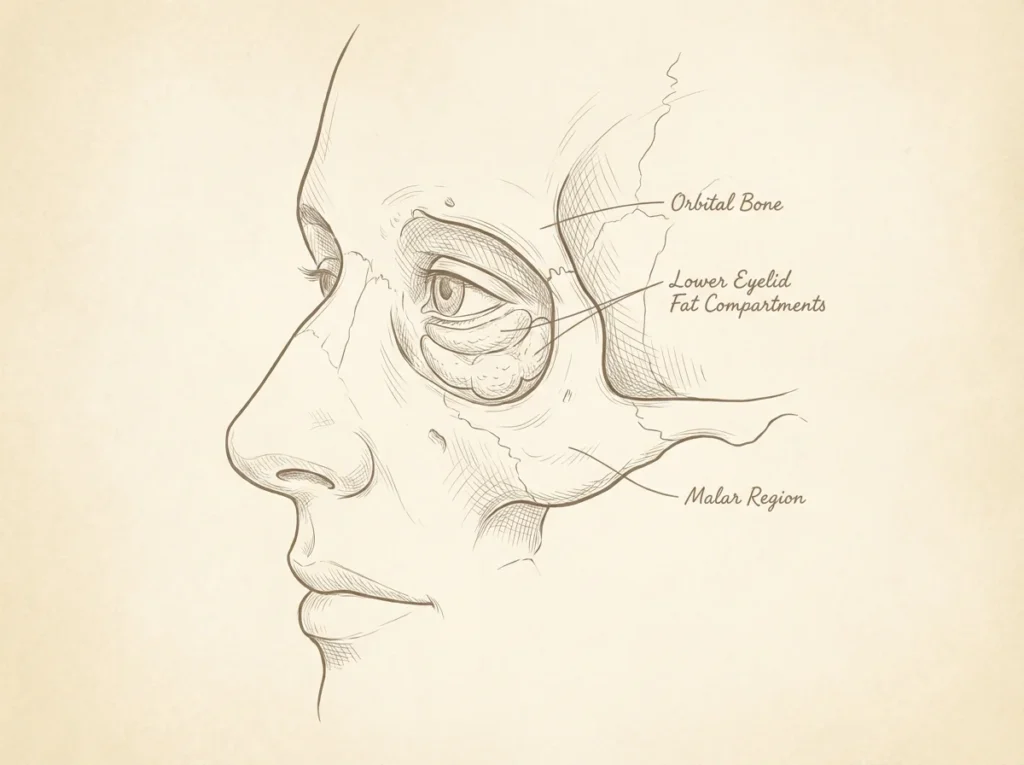
Your lower eyelid contains three distinct fat compartments (medial, central, and lateral) held in place by a thin membrane called the orbital septum. With aging, collagen production declines approximately 1% annually after age 30, weakening this septum and allowing fat to herniate forward, creating the classic “eye bag” appearance directly beneath your lower lash line.
These true orbital fat bags:
- Appear immediately below the lower eyelid
- Protrude most obviously when looking down
- Remain relatively constant throughout the day
- Worsen with age as the orbital septum continues weakening
- Create a distinct bulge that casts shadows on the cheek below
This is the type of eye bag that responds beautifully to lower blepharoplasty, where Dr. Chang surgically removes or repositions excess fat to restore smooth contours. American Society of Ophthalmic Plastic and Reconstructive Surgery
What Are Malar Bags? The Misunderstood Condition
Malar bags (festoons) form lower on the face, on the cheek itself, in the area directly below the orbital rim bone. Unlike orbital fat herniation, malar bags result from a combination of:
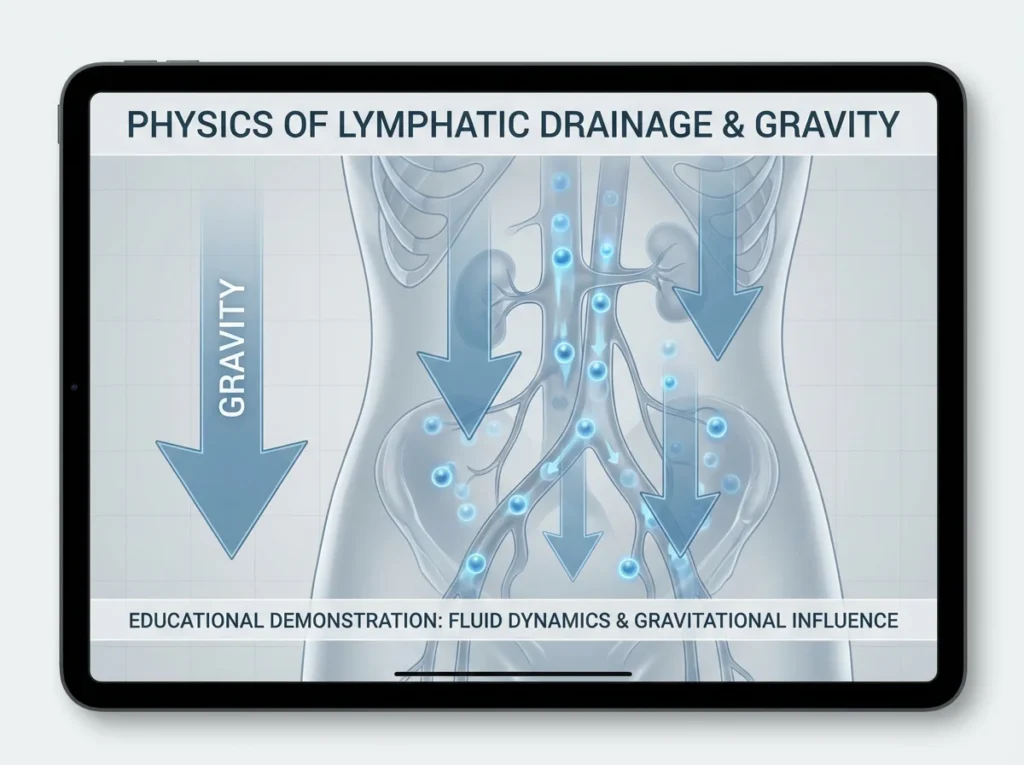
Fluid Accumulation: Lymphatic drainage dysfunction allows fluid to pool in the malar region, creating chronic swelling.
Skin Laxity: Loss of skin elasticity and collagen breakdown cause cheek skin to separate from underlying tissue, creating a pocket where fluid accumulates.
Fat Pad Descent: Mid-face fat compartments descend with gravity, creating folds and creases that trap fluid.
Chronic Sun Damage: UV exposure breaks down collagen and elastin fibers that normally keep skin taut against underlying structures.
Muscle Changes: The orbicularis oculi muscle (surrounding the eye) loses tone, contributing to tissue sagging and fluid retention.
Malar bags typically:
- Sit on the cheek bone area, below the orbital rim
- Fluctuate in size throughout the day (worse in morning, improve with upright position)
- Worsen with salty food consumption, alcohol, allergies, or lack of sleep
- Create a “shelf” or “roll” appearance on the upper cheek
- May have horizontal creases or folds
Critical difference: Malar bags do NOT respond to traditional lower blepharoplasty. In fact, removing orbital fat when malar bags are the actual problem can worsen appearance by creating a hollow above the malar swelling, making the bags appear more prominent. Aesthetic Surgery Journal
Why Bakersfield Residents Are Particularly Vulnerable to Malar Bags
Kern County’s environmental factors significantly increase malar bag prevalence:
Intense UV Exposure
Bakersfield’s UV index reaches “very high” to “extreme” levels (8-11+) from April through October. This prolonged sun exposure:
- Breaks down collagen and elastin in cheek skin faster than less sunny regions
- Creates photodamage that impairs lymphatic drainage
- Accelerates skin aging that contributes to malar bag formation
- Damages the structural integrity of mid-face tissue
Outdoor workers, agriculture, construction, utilities, experience even greater sun damage, often developing malar bags in their 40s rather than 60s.
Agricultural Dust and Allergens
Central Valley’s agricultural activity produces airborne irritants that trigger:
- Chronic eye rubbing (mechanically stretching delicate skin)
- Histamine release causing fluid retention
- Inflammation that impairs lymphatic function
- Seasonal exacerbation during harvest months
Dry Climate Effects
Low humidity levels in Bakersfield (often 20-30% or lower) cause:
- Dehydration that paradoxically worsens fluid retention as the body conserves water
- Increased salt intake from sweating, contributing to edema
- Skin barrier dysfunction that affects tissue quality
Understanding these regional factors helps Dr. Chang develop treatment plans specifically tailored to Central Valley residents rather than generic protocols.
The Critical Diagnostic Difference: How Dr. Chang Identifies Your Type
Accurate diagnosis requires more than a quick glance, it demands systematic anatomical assessment.
Dr. Chang’s Diagnostic Protocol
Visual Position Mapping: Identifying exactly where swelling occurs relative to the orbital rim, lower lid margin, and mid-face landmarks.
Palpation Assessment: Feeling tissue quality, fat mobility, skin thickness, and fluid accumulation with gentle manual examination.
Gravity Testing: Evaluating how puffiness changes when you lie down versus sit upright (malar bags improve with elevation; orbital fat bags remain constant).
Temporal Fluctuation History: Understanding whether puffiness varies throughout the day, worsens with certain foods or activities, or remains stable (malar bags fluctuate; orbital bags stay consistent).
Lighting Evaluation: Examining your periorbital area under multiple lighting conditions to see how shadows fall and tissues reflect light.
Photographic Documentation: Taking standardized photos from multiple angles to analyze contours objectively.
Previous Treatment Response: If you’ve had prior treatments, assessing what worked, what failed, and why, often revealing misdiagnosis.
This comprehensive evaluation typically takes 30-45 minutes and forms the foundation for honest treatment recommendations.
7 Signs You Have Malar Bags (Not Lower Eyelid Bags)
- Location Below the Bone: Swelling sits on your cheek, noticeably below where your orbital bone is palpable, rather than immediately under your lash line.
- Morning Worsening: Puffiness is dramatically worse when you first wake up, improving significantly as the day progresses and gravity helps fluid drain.
- Horizontal Creases: Visible horizontal lines or folds appear on the upper cheek where malar tissue creates a “roll.”
- Dietary Sensitivity: Puffiness worsens noticeably after salty meals, alcohol consumption, or high-sodium foods.
- Seasonal Fluctuation: Bags become more prominent during allergy season or after exposure to dust, pollen, or other irritants common in Bakersfield.
- Soft, Fluid Consistency: When gently palpated, the area feels soft and fluid-filled rather than firm like protruding fat.
- Age Pattern: While malar bags can occur at any age, they often appear or worsen in your 40s-50s, earlier than typical orbital fat herniation.
If three or more of these describe your experience, you likely have malar bags requiring different treatment than standard blepharoplasty.
Why Standard Treatments Fail for Malar Bags
Blepharoplasty Doesn’t Help (and May Worsen Appearance)
Lower blepharoplasty removes or repositions orbital fat. When your actual problem is malar fluid retention and skin laxity, surgery:
- Removes volume from the wrong location (above the problem)
- Creates a hollow that makes the malar bag below appear more prominent
- Doesn’t address fluid accumulation or lymphatic dysfunction
- Leaves patients disappointed and still seeking solutions
This is why accurate pre-operative diagnosis is critical, and why Dr. Chang’s oculoplastic expertise provides a crucial advantage.
Fillers Can Temporarily Camouflage But Don’t Solve the Problem
Some injectors attempt to “blend” malar bags by adding filler to surrounding areas, creating a smoother transition. While this can provide modest aesthetic improvement:
- It doesn’t address the underlying fluid retention
- Additional volume can worsen lymphatic congestion
- Results are temporary and require ongoing maintenance
- It may eventually create an overfilled, unnatural appearance
Filler has a role in specific cases (discussed below), but it’s not a primary treatment for true malar bags.
Effective Treatment Approaches for Malar Bags

Because malar bags involve fluid retention, skin laxity, and lymphatic dysfunction rather than structural fat herniation, treatment requires a different strategy:
1. Conservative Management (First-Line Approach)
Many patients achieve significant improvement through lifestyle modifications:
Elevation During Sleep: Using an extra pillow or wedge to keep your head elevated reduces overnight fluid accumulation.
Sodium Reduction: Limiting salt intake to <2,000mg daily reduces fluid retention throughout the body, including the malar region.
Allergy Management: Treating seasonal allergies with antihistamines or working with an allergist to identify triggers reduces inflammation and rubbing.
Sun Protection: Daily broad-spectrum SPF 50+ and UV-blocking sunglasses slow collagen breakdown and prevent worsening.
Lymphatic Drainage Massage: Gentle manual massage techniques that encourage fluid movement toward lymph nodes can temporarily reduce swelling.
Hydration Optimization: Counterintuitively, adequate water intake (8-10 glasses daily) helps reduce paradoxical fluid retention.
Dr. Chang educates all malar bag patients on these conservative measures before considering invasive interventions.
2. Skin Tightening Procedures
When skin laxity contributes significantly to malar bags, non-surgical or minimally invasive tightening can help:
Radiofrequency Treatments: Devices that heat deep tissue to stimulate collagen production and tighten skin over time (multiple sessions required).
Ultrasound Energy: Similar mechanism to radiofrequency with slightly different penetration depth and tissue heating profile.
Laser Resurfacing: Ablative or non-ablative lasers that improve skin quality, texture, and tightness.
These treatments work best for mild-to-moderate malar bags with good skin quality and provide gradual improvement over 3-6 months.
3. Strategic Filler for Structural Support
In select cases, mid-face filler placement can provide indirect improvement:
Cheek Augmentation: Restoring volume to the malar eminence (upper cheek bone area) lifts descended tissues and reduces the “shelf” appearance where fluid collects.
Tear Trough Filling: Addressing the hollow above malar bags can create better visual balance, though it doesn’t eliminate the bags themselves.
Dr. Chang’s injectable expertise allows him to strategically place filler where it provides structural support without worsening lymphatic congestion, a nuanced approach that requires deep anatomical understanding.
4. Surgical Intervention for Severe Cases
When malar bags are severe, long-standing, and unresponsive to conservative measures, surgical options include:
Malar Bag Excision: Directly removing excess skin and tightening underlying tissue through carefully placed incisions (typically along the lower lid or within natural creases).
Mid-Face Lift: Repositioning descended mid-face fat pads to restore youthful contours and eliminate the pocket where fluid accumulates.
Combination Procedures: Addressing both orbital fat bags (via blepharoplasty) and malar bags (via excision or mid-face lift) when both conditions coexist.
These surgical approaches carry higher risk and longer recovery than standard blepharoplasty and should only be performed by surgeons with extensive oculoplastic training, like Dr. Chang’s fellowship at UCLA’s Jules Stein Eye Institute.
The Mixed Picture: When You Have Both Conditions
Many patients, particularly those over 50, present with both lower eyelid fat bags AND malar bags simultaneously. This combination:
- Requires comprehensive treatment planning addressing both issues
- May necessitate staged procedures (blepharoplasty first, malar treatment months later)
- Demands expert surgical judgment to avoid worsening one problem while fixing the other
- Benefits enormously from Dr. Chang’s dual expertise in both surgical and non-surgical periorbital treatments
Accurate diagnosis of coexisting conditions is where less experienced providers often falter, leading to incomplete results and patient dissatisfaction.
What NOT to Do: Common Mistakes Patients Make
1. Self-Diagnosing from Internet Photos
Online before-and-after galleries rarely specify whether the patient had orbital bags, malar bags, or both. Assuming your anatomy matches what you see online leads to unrealistic treatment expectations.
2. Seeking One-Size-Fits-All Solutions
Malar bags are highly individualized. What worked for your friend, colleague, or influencer may not address your specific anatomical pattern.
3. Pursuing Aggressive Early Intervention
Many patients jump immediately to surgery when conservative management and lifestyle modifications may provide improvement without surgical downtime, although every option has limits and potential risks.
4. Ignoring Underlying Medical Conditions
Thyroid disorders, kidney disease, heart conditions, and chronic allergies all contribute to fluid retention. Treating bags without addressing systemic causes leads to disappointing outcomes.
5. Trusting Non-Specialist Providers
The malar region is complex anatomy. General cosmetic injectors and surgeons without oculoplastic training often misdiagnose the condition or recommend inappropriate treatments.
Dr. Chang’s Personalized Assessment Process
Your malar bag evaluation at Modern Aesthetic Institute follows a systematic protocol:
Medical History Review (10 minutes): Understanding thyroid function, allergy history, sleep patterns, dietary habits, medication use, and previous treatments.
Anatomical Examination (15 minutes): Visual assessment, palpation, gravity testing, and photographic documentation from multiple angles.
Differential Diagnosis (5 minutes): Determining whether you have malar bags alone, orbital fat bags alone, or both conditions simultaneously.
Treatment Options Discussion (15 minutes): Presenting conservative, minimally invasive, and surgical options with honest assessment of expected outcomes, risks, costs, and recovery for each.
Personalized Recommendation (5 minutes): Dr. Chang’s expert opinion on the most appropriate treatment sequence for your specific anatomy and goals.
This 45-60 minute consultation ensures you understand exactly what’s causing your puffiness and which interventions will actually help, not just what generates revenue for the practice.
The Role of Seasonal Variation in Bakersfield
Central Valley residents often notice their malar bags worsen during specific times of year:
Spring (March-May): Allergy Season
Tree pollen, grasses, and agricultural dust peak during spring months, triggering:
- Histamine release and inflammation
- Increased eye rubbing
- Fluid retention in malar tissues
- Worse morning puffiness
Management: Proactive antihistamine use, minimizing outdoor exposure during high pollen counts, and cool compresses.
Summer (June-September): Heat and Dehydration
Extreme temperatures (often 95-110°F) cause:
- Dehydration leading to paradoxical fluid retention
- Increased salt intake from sweating
- Inflammation from sun exposure
- Worsening of chronic malar bags
Management: Aggressive hydration, electrolyte balance, sun protection, and indoor activities during peak heat.
Fall (October-November): Harvest Dust
Agricultural harvest activities generate massive amounts of airborne particulates:
- Irritation and inflammation
- Respiratory and ocular allergies
- Exacerbation of existing malar bags
Management: Air filtration at home, avoiding outdoor activities during windy harvest days, protective eyewear.
Winter (December-February): Indoor Heating
Dry indoor heating reduces humidity to 10-20%, causing:
- Skin dehydration and barrier dysfunction
- Compensatory fluid retention
- Less noticeable improvement from seasonal factors
Management: Humidifiers, intensive moisturization, continued sun protection (winter UV still significant).
Understanding these patterns helps Dr. Chang time treatments appropriately and set realistic expectations about seasonal fluctuation.
Prevention Strategies: Minimizing Malar Bag Development

While genetics and aging play significant roles, proactive measures can slow malar bag progression:
Daily Sun Protection (Non-Negotiable)
- Broad-spectrum SPF 50+ applied to entire face, including cheeks
- UV-blocking wraparound sunglasses
- Wide-brim hats during extended outdoor exposure
- Reapplication every 2 hours when outside
Gentle Eye Care
- Avoid aggressive rubbing when tired or experiencing allergies
- Use soft patting motions to apply eye cream
- Remove makeup gently with appropriate products
- Treat underlying allergies to reduce rubbing triggers
Sleep Optimization
- Elevated head position (30-45 degree angle)
- Consistent 7-9 hours nightly
- Side or back sleeping (stomach sleeping worsens fluid pooling)
- Quality pillowcases that don’t crease delicate skin
Dietary Awareness
- Sodium intake <2,000mg daily
- Limiting alcohol (dehydrating and inflammatory)
- Adequate hydration (8-10 glasses water daily)
- Anti-inflammatory diet rich in omega-3s, antioxidants
Skin Quality Maintenance
- Medical-grade skincare with retinoids (improves collagen production)
- Vitamin C serums (antioxidant protection)
- Peptides and growth factors (support skin structure)
- Regular professional skin assessments
When to Seek Expert Evaluation
Schedule a consultation with Dr. Chang if you experience:
- Persistent puffiness that doesn’t improve with adequate sleep and conservative measures
- Progressive worsening over months or years despite lifestyle modifications
- Asymmetry where one side is significantly more affected than the other (may indicate lymphatic or vascular issue)
- Associated symptoms like vision changes, pain, or redness (requires immediate ophthalmologic evaluation)
- Dissatisfaction after previous treatments that didn’t deliver promised results
- Diagnostic uncertainty about whether your puffiness is orbital bags, malar bags, or both
- Desire for expert guidance from a specialist with surgical and non-surgical expertise
Early evaluation allows for conservative interventions before problems progress to severity requiring surgical correction.
Real Patient Scenarios: Why Accurate Diagnosis Matters
Case Study 1: Misdiagnosed Malar Bags
A 52-year-old Bakersfield patient underwent lower blepharoplasty with a general plastic surgeon for “eye bags.” Post-operatively, her puffiness worsened because her actual problem was malar bags, the surgery removed volume above the fluid retention, making the malar swelling more prominent. Dr. Chang’s evaluation identified the misdiagnosis. Conservative management (elevation, sodium reduction, allergy treatment) plus strategic mid-face filler to restore structural support achieved the improvement the initial surgery couldn’t provide.
Case Study 2: Combination Condition
A 61-year-old agricultural worker had both protruding orbital fat bags AND malar festoons. Previous consultations recommended blepharoplasty alone (which would have addressed only half the problem) or dismissed his concerns as “unfixable.” Dr. Chang performed staged treatment: lower blepharoplasty with fat repositioning first, followed six months later by targeted skin tightening for the malar component. The comprehensive approach delivered dramatic improvement that single-modality treatment couldn’t achieve.
Case Study 3: Conservative Success
A 45-year-old patient with early malar bags and significant allergies achieved 60-70% improvement through conservative management alone: prescription antihistamines, sleep elevation, sodium restriction, and lymphatic drainage massage. No procedures were needed, saving thousands of dollars and avoiding surgical risk.
Cost Comparison: Understanding Your Investment
Conservative Management: minimal cost (lifestyle modifications, OTC products, allergy medications)
Non-Surgical Tightening: quoted at consultation per treatment series (radiofrequency, ultrasound, laser)
Strategic Filler: priced per treatment session (mid-face structural support)
Lower Blepharoplasty (for coexisting orbital bags): $4,000 to $8,000, including surgeon, facility, and anesthesia fees
Malar Bag Surgical Excision: quoted at consultation, higher complexity than standard blepharoplasty
Combination Surgical Approach: quoted at consultation (addressing both orbital and malar components)
Dr. Chang’s conservative philosophy means starting with the least invasive, lowest-cost interventions and progressing only if necessary, not automatically recommending the most expensive option.
Modern Aesthetic Institute offers financing through CareCredit and Cherry, making all treatment levels accessible.
Your Path to Accurate Diagnosis and Effective Treatment
Malar bags frustrate patients because they’re frequently misdiagnosed and inappropriately treated. The puffiness persists despite interventions, leading to wasted money, unnecessary procedures, and continued self-consciousness about appearance.
The solution begins with accurate diagnosis by a specialist who understands periorbital anatomy at a surgical level. Dr. Joseph H. Chang’s training in ophthalmology, fellowship training in oculoplastic surgery at UCLA’s Jules Stein Eye Institute, and 25+ years serving Bakersfield provide the diagnostic precision and treatment versatility you need.
Whether your puffiness stems from orbital fat herniation, malar bags, or both, and whether conservative management, non-surgical interventions, or surgical correction serves you best, Dr. Chang provides honest guidance based on your anatomy, not practice revenue goals.

Schedule your comprehensive periorbital evaluation at Modern Aesthetic Institute today. Discover exactly what’s causing your eye puffiness and which treatments will actually work.
Schedule Your Malar Bag Evaluation at Modern Aesthetic Institute
About the Author
Dr. Joseph H. Chang is an ophthalmologist specializing in oculoplastic surgery with over 25 years of aesthetic medicine experience serving Bakersfield and Kern County. Trained at UCLA’s prestigious Jules Stein Eye Institute, Dr. Chang brings surgical precision and artistic sensibility to every injectable treatment. His more than 25 years of injectable experience inform a conservative approach grounded in facial anatomy and individualized treatment planning. At Modern Aesthetic Institute, Dr. Chang’s philosophy centers on natural enhancement, patient education, and honest guidance, helping you achieve a refreshed, youthful appearance without looking “overdone.” His specialized training in oculoplastic surgery provides unique advantages for facial aesthetic treatments, combining intimate anatomical knowledge with years of refined injectable technique.
Frequently Asked Questions
1. What’s the main difference between lower eyelid bags and malar bags?
Lower eyelid bags result from orbital fat herniation immediately beneath the lash line, they’re caused by weakening of the orbital septum allowing fat to protrude forward. Malar bags (festoons) form lower on the cheek, below the orbital rim bone, and result from fluid retention, skin laxity, and lymphatic dysfunction rather than fat herniation. Lower eyelid bags remain constant throughout the day; malar bags fluctuate, worsening in the morning and improving when upright. Accurate diagnosis is critical because treatments that work for one condition often fail or worsen the other. Dr. Chang’s oculoplastic training provides the expertise to distinguish between these conditions reliably.
2. Can malar bags be permanently fixed, or do they always come back?
Malar bags are more challenging to permanently correct than orbital fat bags because they involve fluid dynamics and tissue quality rather than simple structural excess. Conservative management (elevation, sodium reduction, allergy treatment) provides ongoing improvement as long as you maintain the lifestyle modifications. Surgical malar bag excision can provide long-lasting improvement, but results aren’t as permanent as blepharoplasty for orbital bags because underlying lymphatic dysfunction and skin laxity tendencies persist. The most realistic expectation is significant, long-term improvement rather than complete permanent elimination. Dr. Chang sets honest expectations during consultation rather than over-promising outcomes.
3. Why do my under-eye bags look worse in Bakersfield than when I travel to other cities?
Bakersfield’s environmental factors, intense UV exposure, low humidity, agricultural dust, and allergens, exacerbate both orbital fat bags and particularly malar bags. The dry climate causes dehydration that paradoxically worsens fluid retention. High pollen and dust counts trigger inflammation and allergies that increase malar swelling. When you travel to coastal or higher-humidity regions with fewer environmental irritants, inflammation decreases and lymphatic drainage often improves temporarily, reducing visible puffiness. This regional variation confirms why Bakersfield-specific treatment planning (aggressive sun protection, allergy management, hydration optimization) is essential for lasting results.
4. Will sleeping on my back prevent malar bags from getting worse?
Sleep position significantly affects malar bags. Stomach sleeping causes fluid to pool in facial tissues overnight, dramatically worsening morning puffiness. Side sleeping can create asymmetric swelling (worse on the dependent side). Back sleeping with head elevation (30-45 degree angle via wedge pillow or adjustable bed) allows gravity to assist lymphatic drainage, reducing overnight fluid accumulation in the malar region. While sleep position alone won’t eliminate established malar bags, it’s one of the most effective conservative measures for slowing progression and reducing daily fluctuation. Many of Dr. Chang’s patients report 30-50% improvement in morning puffiness from elevation alone.
5. Can allergy shots or medication help my malar bags?
Yes, if allergies contribute to your malar bags. Chronic allergic inflammation triggers histamine release, increases vascular permeability (allowing fluid to leak into tissues), and causes eye rubbing that mechanically stretches delicate skin. For Bakersfield residents with seasonal or year-round allergies, aggressive allergy management through antihistamines, nasal corticosteroids, or immunotherapy (allergy shots) can dramatically reduce malar bag severity. Dr. Chang often coordinates with allergists for patients whose malar bags clearly correlate with allergy flares. Some patients achieve 40-60% improvement from allergy treatment alone, avoiding the need for surgical intervention.
6. I had lower blepharoplasty years ago but still have puffiness. What happened?
You likely had malar bags that weren’t accurately diagnosed pre-operatively. Lower blepharoplasty addresses orbital fat herniation but doesn’t treat malar festoons. In fact, removing orbital fat when malar bags are the primary problem can worsen appearance by creating a hollow above the malar swelling, making the bags more prominent. This is a common scenario Dr. Chang sees: patients who underwent blepharoplasty elsewhere with persistent or worsened puffiness because the actual diagnosis was malar bags or a combination of both conditions. During your consultation, Dr. Chang will evaluate whether you’re a candidate for malar-specific treatment to address the puffiness your previous surgery couldn’t fix.
7. Are malar bags a sign of a serious medical condition?
Malar bags are usually a benign cosmetic concern related to aging, sun damage, and genetics. However, sudden onset or dramatic worsening can occasionally signal underlying medical issues: thyroid disorders (hypothyroidism causes fluid retention), kidney disease (impairs fluid regulation), heart conditions (affects lymphatic drainage), or chronic allergies. Asymmetric malar bags (one side significantly worse) may indicate lymphatic or vascular obstruction requiring evaluation. Dr. Chang’s ophthalmology training means he doesn’t just assess aesthetics, he screens for medical conditions that might be contributing. If he identifies concerning patterns, he’ll coordinate with your primary care physician or appropriate specialist.
8. How long does it take to see improvement from conservative malar bag management?
Timeline varies based on which conservative measures you implement:
- Sleep elevation: Noticeable improvement in morning puffiness within 3-7 days
- Sodium reduction: Visible decrease in fluid retention within 1-2 weeks
- Allergy treatment: Improvement within 2-4 weeks as inflammation subsides
- Lymphatic drainage massage: Temporary improvement within hours, cumulative benefit over weeks
- Sun protection: Prevents worsening immediately, improves skin quality over 3-6 months
Most patients notice meaningful improvement within 4-6 weeks of implementing comprehensive conservative management. If you don’t see any change after 6-8 weeks of consistent effort, consultation with Dr. Chang to explore minimally invasive or surgical options is appropriate.